
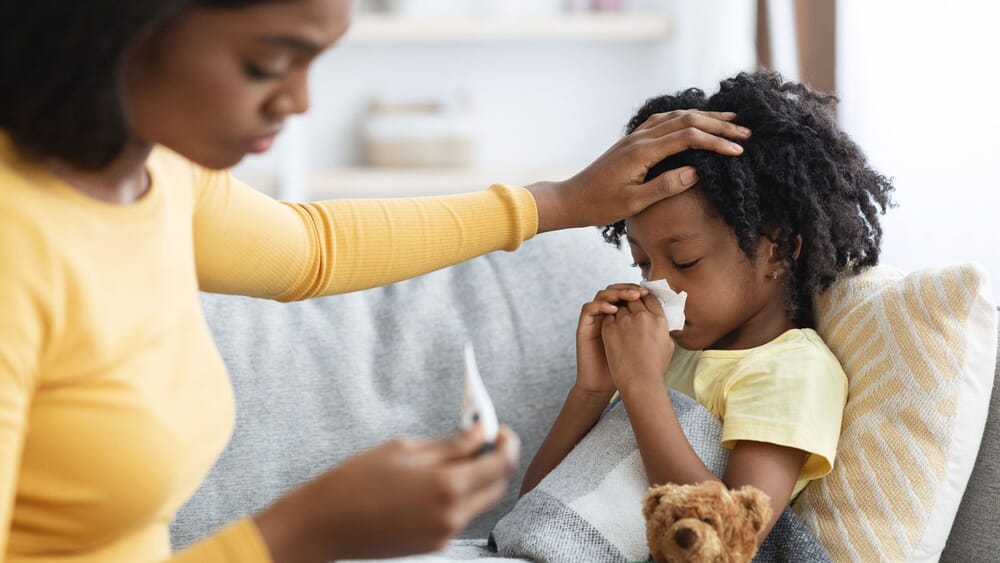
Should My Child Stay Home From School Sick? 9 Pediatric Guidelines on Symptoms in 2026
Your child should stay home from school if they have a fever of 100.4°F or higher, are vomiting or experiencing diarrhea, have a contagious rash or infection, show signs of respiratory distress, have severe cold symptoms with colored nasal discharge, exhibit unusual lethargy or irritability, have conjunctivitis (pink eye) with discharge, are unable to participate in normal activities, or have not been fever-free without medication for at least 24 hours.
This article provides advice and tips for parents on the best approach to deciding when a child should stay home from school due to illness.
As a parent, deciding whether to send your sick child to school can feel overwhelming. You want to support their education, but you also need to protect their health and prevent the spread of illness to classmates and teachers. Understanding clear medical guidelines can remove the guesswork and help you make confident decisions that prioritize your child’s recovery and the wellbeing of the entire school community. Rest is one of the most important things we can give our body when it doesn’t feel good.
Understanding When To Keep Your Child Home
The decision to keep a child home from school can be tough for parents, as it requires balancing their ability to participate in learning activities with the risk of spreading contagious illnesses. At Just 4 Kids Urgent Care, we help families navigate these decisions based on established pediatric guidelines and common-sense health principles.
Assessing whether your child can comfortably manage daily activities, such as attending school, and monitoring their general mood and energy levels are key factors in making the right decision.
The 9 Key Symptoms That Mean Your Child Should Stay Home
1. Fever Of 100.4°F (38°C) Or Higher
Fever indicates that your child’s body is actively fighting an infection. Children with fevers are typically contagious and often feel too miserable to concentrate on schoolwork.
A fever is usually a symptom of an underlying infection, most often caused by a virus such as a cold or the flu, and children can still be contagious even if they do not have a fever.
The 24-hour rule: Your child should remain home until they have been fever-free for at least 24 hours without the use of fever-reducing medications like acetaminophen or ibuprofen. This waiting period ensures the infection has sufficiently cleared and reduces the chance of relapse or spreading illness to others.
Why this matters: Sending a child to school with a suppressed fever (masked by medication) may expose other students and staff to contagious illnesses during the most infectious period.
2. Vomiting Or Diarrhea
Gastrointestinal symptoms like vomiting or diarrhea are clear indicators that your child should stay home. These symptoms can signal viral gastroenteritis, food poisoning, or other infections that spread easily in school settings.
Children are typically contagious while they have symptoms of vomiting and diarrhea, and for a few days after. During this time, it’s important to avoid close contact with other children, especially those who are more vulnerable, to help prevent the spread of illness.
When to keep them home:
- Any vomiting within the past 24 hours
- Two or more episodes of diarrhea in a 24-hour period
- Diarrhea accompanied by fever or blood in stool
Inability to control bowel movements
Children should remain home until they have been symptom-free for at least 24 hours and can tolerate regular foods and fluids without difficulty. Dehydration is also a concern with these symptoms, making rest and fluid replacement essential.
3. Contagious Rashes Or Skin Infections
Not all rashes require staying home, but certain types indicate contagious conditions that can spread rapidly among children.
Keep your child home if they have:
- Unexplained rashes with fever
- Blistering rashes that ooze or crust
- Rashes identified as chickenpox, measles, or impetigo
- Ringworm (until treatment has begun)
Scabies (until treatment is complete)
Any rash that is spreading or accompanied by a fever should require a child’s evaluation by a doctor before returning to school.
Children with chickenpox should stay home until all the spots have crusted over, which usually takes about 5 days after the spots first appeared.
Children with measles should stay home for at least 4 days from when the rash first appears to prevent spreading the illness.
Children with scarlet fever can return to school 24 hours after starting antibiotics, as they are infectious for 2 to 3 weeks without treatment.
Hand, foot, and mouth disease is contagious, but children can go to school if they feel well enough, as long as they practice good hygiene.
Eczema, allergic rashes, and heat rashes are generally not contagious and do not require keeping your child home. If you’re unsure about a rash, contact your pediatrician for guidance. Many contagious skin conditions can return to school once treatment has started and the child is no longer infectious.
4. Respiratory Distress Or Difficulty Breathing
While minor sniffles don’t require staying home, significant respiratory symptoms warrant keeping your child at home for observation and care.
Warning signs include:
- Wheezing or labored breathing
- Rapid breathing or shortness of breath
- Persistent, severe coughing that disrupts activities
- Coughing that produces thick, colored mucus
Chest pain or tightness
A child should stay home if they have a severe cough that makes it hard for them to breathe or if they cannot deal with their cough at school. Children should also stay home if their cough disrupts their ability to learn or participate in class. If a cold or cough lasts more than 6-7 days, or if symptoms get worse, your child should continue to stay home.
These symptoms may indicate conditions like asthma exacerbations, bronchiolitis, pneumonia, or other serious respiratory infections. Children struggling to breathe cannot focus on learning and may require medical evaluation. Contact Just 4 Kids Urgent Care if your child shows signs of respiratory distress.
5. Severe Cold Symptoms With Thick, Colored Nasal Discharge
A runny nose alone doesn’t necessarily mean staying home, but certain cold symptoms suggest your child is too sick for school or may have a bacterial infection.
Keep them home if they have:
- Thick yellow or green nasal discharge lasting more than 10 days
- Severe nasal congestion affecting breathing or sleep
- Persistent cough that interferes with activities
- Cold symptoms combined with fever or lethargy
Symptoms suggesting sinus infection (facial pain, headache)
Mild cold symptoms with clear nasal discharge and no fever generally allow for school attendance, provided your child feels well enough to participate. Children with a mild runny nose or light cough without a fever can generally go to school if they are energetic enough to participate.
Teaching children proper hand hygiene and cough etiquette helps minimize spread even with minor symptoms. Cold virus particles can travel up to 12 feet when someone coughs or sneezes, making colds highly contagious.
If symptoms persist, monitor your child closely, as ongoing symptoms may mean they need to stay home longer or seek medical advice.
6. Unusual Lethargy Or Extreme Irritability
Children who are unusually tired, listless, or extremely irritable may be fighting an infection or experiencing another health concern that requires rest and observation. If your child appears ill and unable to participate in normal activities, it may be best to keep them home.
Signs to watch for:
- Excessive sleepiness or inability to stay awake during normal hours
- Lack of interest in usual activities or play
- Extreme fussiness that’s out of character
- Confusion or disorientation
Unresponsiveness or difficulty waking
These symptoms can accompany various illnesses and may indicate your child is too ill to benefit from school. Trust your parental instincts. If your child seems “off” or unlike themselves, keeping them home for observation is appropriate. Significant changes in behavior or alertness warrant medical evaluation.
For an older child, the same considerations apply when deciding if they are ready to return to school after being sick.
7. Conjunctivitis (Pink Eye) With Discharge
Pink eye, or conjunctivitis, can be viral, bacterial, or allergic. Bacterial and viral conjunctivitis are highly contagious and spread easily in school environments.
Keep your child home if they have:
- Red, watery eyes with thick yellow or green discharge
- Crusting around the eyes, especially after sleep
- Eye pain or sensitivity to light
Swelling of the eyelids
Children with bacterial conjunctivitis typically need antibiotic eye drops and should stay home until they have been on medication for at least 24 hours and discharge has cleared. Viral conjunctivitis may not require antibiotics but still needs time at home to prevent spread. Allergic conjunctivitis is not contagious and does not require staying home.
8. Inability To Participate In Normal School Activities
Even without a specific diagnosis, if your child cannot comfortably participate in regular school activities, they should stay home to recover.
Consider keeping them home if they:
- Cannot pay attention or complete basic tasks due to illness
- Need frequent bathroom trips
- Require more care or attention than school staff can reasonably provide
- Feel too miserable or uncomfortable to engage in learning
Need to rest frequently throughout the day
School is both physically and mentally demanding. A child who cannot meet these demands due to illness will not benefit from attendance and may prolong their recovery by not resting adequately. Children can typically go back to school when they’ve been symptom-free for at least 24 hours, have regained their energy and appetite, and can participate in daily activities comfortably.
9. Has Not Been Fever-Free Without Medication For 24 Hours
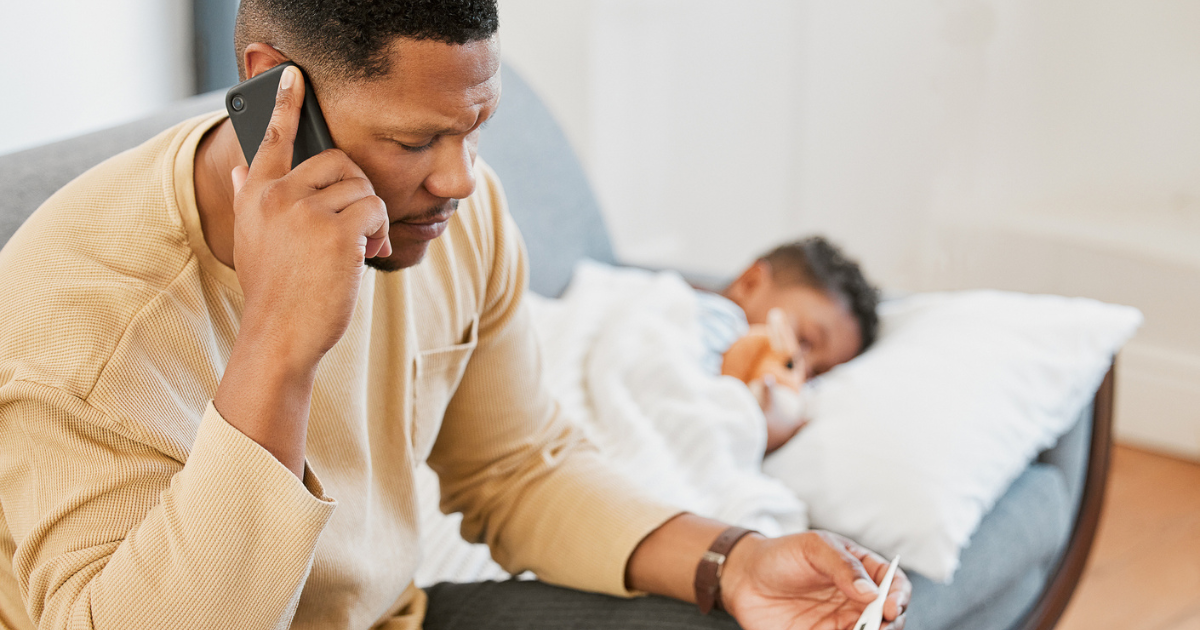
This guideline deserves its own emphasis because it’s one of the most important and frequently overlooked rules.
Why the 24-hour fever-free rule matters:
- Ensures the body has truly overcome the acute infection
- Prevents relapse that can occur when children return too soon
- Protects other children from exposure during peak contagious periods
Allows proper recovery time for your child’s immune system
Many parents give fever-reducing medication and send their child to school once the fever drops. However, this only masks symptoms while the child remains contagious and unwell. True recovery requires being fever-free without any medication for a full 24-hour period.
Special Considerations For Chronic Conditions
Children with asthma, allergies, diabetes, or other chronic conditions may have symptoms that seem concerning but are actually part of their baseline health status. Chronic conditions like managed asthma or seasonal allergies do not require children to stay home unless there is a severe flare-up. Children with a weakened immune system may need additional precautions or a different plan for returning to school. Work with your pediatrician to establish clear guidelines for when these children should stay home versus when symptoms are manageable at school with appropriate accommodations.
For children with asthma, for example, mild wheezing that responds well to their rescue inhaler may not require staying home, while severe symptoms or an active exacerbation would. Having an individualized healthcare plan on file with the school helps staff understand your child’s specific needs.
When To Seek Medical Care
Some symptoms require more than just staying home. Contact your pediatrician or visit a healthcare professional if your child experiences:
- High fever (103°F or higher) or fever lasting more than three days
- Severe headache, especially with neck stiffness or light sensitivity
- Difficulty breathing or bluish discoloration of lips or skin
- Signs of dehydration (dry mouth, no tears, decreased urination, extreme thirst)
- Severe abdominal pain
- Symptoms that get worse or worsen instead of improve
Any symptom that causes you significant concern
Just 4 Kids Urgent Care is available to help you assess your child’s symptoms and determine the appropriate course of action. When in doubt, calling your pediatric office or visiting a healthcare professional can provide peace of mind and professional guidance.
Communicating With Your School
When keeping your child home due to illness, inform the school according to their attendance policies. Many schools appreciate knowing the nature of the illness, especially if it involves contagious conditions like strep throat, flu, or chickenpox. This information helps schools monitor for outbreaks and notify other families when appropriate.
Always check your specific school district’s sick-day policy, as requirements for returning after a sick day may differ by school.
If your child has been diagnosed with a contagious illness, ask your pediatrician when it’s safe to return to school. Many conditions have specific return-to-school guidelines established by health departments and pediatric organizations.
Preventing The Spread Of Illness
Beyond knowing when to keep kids home, teaching preventive habits reduces illness frequency and severity:
Basic prevention strategies:
- Wash hands and face frequently with soap and water for at least 20 seconds, especially after symptoms like vomiting, diarrhea, or nasal discharge
- Covering coughs and sneezes with elbows, not hands
- Avoiding touching face, especially eyes, nose, and mouth
- Not sharing drinks, utensils, or personal items
- Staying up to date with recommended vaccinations
- Getting adequate sleep and maintaining good nutrition
Cleaning and disinfecting frequently touched surfaces
Good hygiene practices, such as frequent handwashing, are essential to prevent the spread of illness during recovery. Environments like daycare are especially important for practicing good hygiene to prevent the spread of contagious illnesses.
These habits protect not only your own children but also their classmates, teachers, and the broader community.
Supporting Your Child’s Recovery At Home
When your child stays home sick, focus on rest, hydration, and comfort. Most common childhood illnesses are viral and resolve on their own with supportive care.
Home care essentials:
- Plenty of fluids to prevent dehydration
- Rest and sleep as needed
- Comfortable clothing and room temperature
- Age-appropriate fever reducers if recommended by your pediatrician
- Small, easily digestible meals when appetite allows
- Quiet activities that don’t require much energy
Monitoring symptoms for changes or worsening
Avoid the temptation to fill sick days with screen time and stimulating activities. True rest helps the immune system function optimally and speeds recovery.
While your child may miss seeing their friends at school, staying home when sick is important to prevent spreading illness to others.
Balancing Education And Health
Missing school is never ideal, but protecting your child’s health and preventing community spread of illness takes priority. Most schools understand this and have policies in place to help students make up missed work.
Talk with your child about any worries or anxieties they may have about missing school due to illness. The school nurse can also be a helpful resource if your child feels anxious about returning to school after being sick.
Communicate with teachers about assignments your child can complete at home if they feel well enough. However, don’t pressure sick children to keep up with schoolwork when they need rest. A few days of missed instruction is far better than prolonged illness or spreading disease to an entire classroom.
Trust Your Judgment
While these nine guidelines provide a solid framework, you know your child best. If something feels wrong or your child seems sicker than their symptoms might suggest, trust your instincts. Conversely, if your child has mild symptoms but is energetic, eating well, and eager to go to school, they may be fine to attend (unless they have a contagious condition).
The goal is finding the right balance between supporting your child’s education and protecting their health along with the health of their school community. When in doubt, consult with your pediatrician at Just 4 Kids Urgent Care for personalized guidance based on your child’s specific situation.
FAQ: Common Questions About Kids And School Illness
Q: Can I send my child to school if they’re taking antibiotics?
A: It depends on the illness. For bacterial infections like strep throat or pink eye, children should stay home for at least 24 hours after starting antibiotics. For ear infections that aren’t contagious, children can typically attend school if they feel well enough. Always check with your pediatrician about specific return-to-school timing.
Q: What if my child only has symptoms in the morning but feels better by midday?
A: This pattern often occurs with sinus drainage or allergies. If symptoms are consistently mild and your child has no fever or contagious condition, they can likely attend school. However, if morning symptoms are severe or accompanied by vomiting, keep them home to observe whether symptoms worsen throughout the day.
Q: How do I know if a cough is contagious or just allergies?
A: Allergy-related coughs are typically dry and accompanied by other allergy symptoms like itchy eyes, clear nasal discharge, and sneezing. They don’t include fever and don’t worsen over time. Contagious coughs often produce mucus, may include fever, and progressively worsen. When unsure, consult your pediatrician.
Q: Should my child stay home with a mild sore throat?
A: Mild sore throats without other symptoms (no fever, no difficulty swallowing, no swollen glands) can attend school. However, severe sore throat, especially with fever, may indicate strep throat, which requires testing and antibiotics. Strep throat is contagious and requires staying home until 24 hours after starting antibiotics.
Q: What if other parents send sick kids to school?
A: While frustrating, focus on what you can control: teaching your child good hygiene habits, ensuring they’re up to date on vaccinations, and keeping them home when they’re sick. You might also speak with school administrators if this becomes a pattern affecting your child’s health.
Q: Can my child return to school if they still have a lingering cough after being sick?
A: Yes, if the cough is improving, they have no fever, and they feel well enough to participate in activities. Residual coughs can last for weeks after respiratory infections but aren’t necessarily contagious. The key is whether the cough is productive (bringing up mucus) and worsening, or dry and improving.
Q: Should I keep siblings home if one child is sick?
A: Not necessarily. If siblings have no symptoms, they can typically attend school. However, with highly contagious illnesses like stomach bugs or flu, monitor siblings closely and keep them home at the first sign of symptoms. Good hygiene practices at home can help prevent spread between siblings.
Q: What counts as “fever-free for 24 hours” exactly?
A: This means 24 full hours (not just overnight) with a temperature below 100.4°F without giving any fever-reducing medications like acetaminophen (Tylenol) or ibuprofen (Motrin/Advil). So if your child’s fever breaks Monday at 3 PM, they shouldn’t return to school until Wednesday morning at the earliest.