
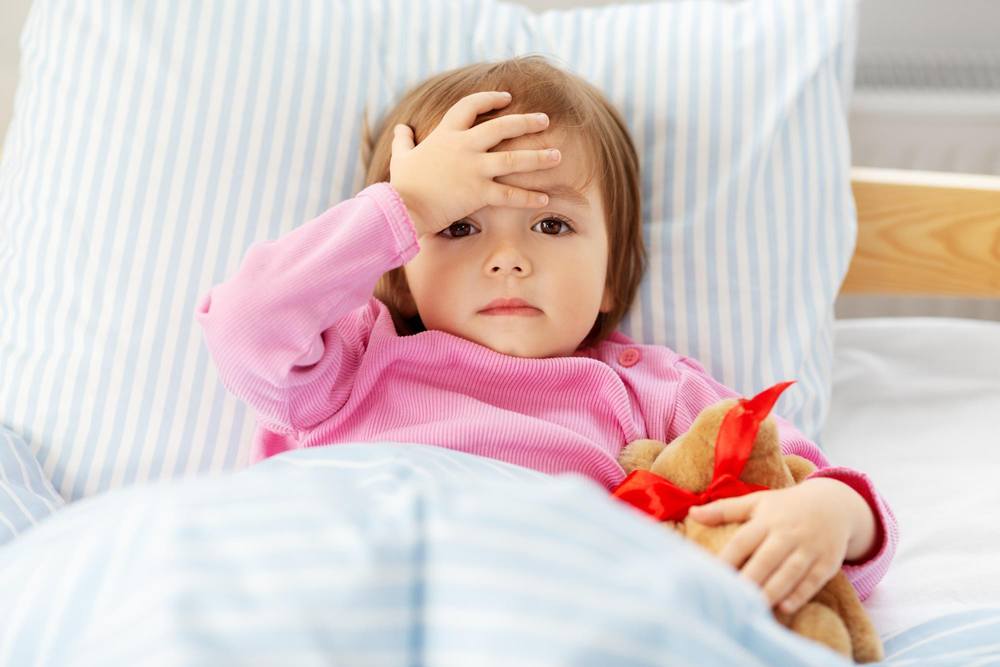
Yes, it can be normal for toddlers to get sick frequently, but understanding patterns helps parents know when to be concerned. Young children’s immune systems are still developing, so many toddlers experience several mild illnesses each year. Still, certain signs or patterns can indicate an underlying problem that requires a pediatric evaluation.
At Just 4 Kids Pediatrics, we guide parents on recognizing normal childhood illnesses versus situations that require closer attention.
Why Young Kids Get Sick Frequently
Toddlers and preschool-aged children are naturally exposed to more germs. Whether at daycare, preschool, or playing with older siblings, children’s bodies are learning to fight viral infections and bacterial infections.
Immune systems mature over time: A child’s immune system strengthens with repeated exposure to germs.
Early exposure is common: Many kids get six to eight colds per year, which is considered normal.
Social settings increase exposure: Being in elementary school, daycare, or preschool years exposes children to respiratory viruses, stomach bugs, and sinus infections.
Hygiene habits matter: Young children often touch surfaces and their hands frequently, helping germs spread quickly.
Even though frequent colds are normal, pediatricians track patterns to ensure a child is not experiencing frequent illnesses due to an underlying problem.
7 Illness Patterns Pediatricians Watch

1. Frequent Mild Colds
It is very common for toddlers to experience frequent colds as their immune systems mature. Many children will catch a respiratory virus multiple times per year, and while this can be stressful for parents, it is usually a normal part of early childhood.
Duration: Most mild colds last 7 to 10 days, with symptoms like a runny nose, mild cough, and occasional low-grade fever.
Triggers: Children in daycare settings, preschool years, or with older siblings are exposed to more germs, which increases the chance of catching the same virus multiple times.
Immune system benefit: Each mild illness helps young children develop stronger immune systems, making them more resilient to future infections.
Parents can support their child’s immune health with hand washing, enough sleep, and a healthy diet rich in fruits, vegetables, and protein.
2. Recurring Ear Infections
While some ear infections are occasional, recurring ear infections can signal a higher susceptibility to bacterial infections or fluid buildup behind the eardrum.
Age factor: These infections are most common in children under age three, whose immune systems are still developing.
Symptoms: Ear pain, irritability, fever, and sometimes drainage from the ear.
Pediatric monitoring: Pediatricians may assess the immune system, hearing, and ear structure to determine if there is an underlying problem contributing to frequent infections.
Prompt attention helps prevent hearing loss and supports overall childhood health.
3. Persistent Gastrointestinal Issues
Stomach bugs and yeast infections are frequent in toddlers, especially in child care settings where germs spread quickly.
Patterns to watch: Recurrent diarrhea, vomiting, or yeast infections may indicate food sensitivities, intolerances, or a weakened immune system.
Impact on health: Persistent gastrointestinal issues can affect a child’s nutrition, growth, and overall wellness.
Action: Pediatricians may recommend diet evaluation, stool testing, or immune system assessments to rule out underlying problems.
Maintaining a balanced diet, proper hydration, and good hygiene are important steps to protect kids from these frequent illnesses.
4. Seasonal Flu Patterns
Flu season is a challenging time for parents because young children are at increased risk for respiratory infections.
Impact: Children who do not receive the flu shot may experience more frequent illness, including high fever, body aches, and fatigue.
Prevention: Pediatricians recommend annual flu vaccination to protect both the child and other kids in school or child care from catching the same virus.
Immune education: Exposure to mild illnesses outside of flu season is normal, but vaccination helps prevent severe reactions and supports long-term immune health.
5. Slow Recovery Between Illnesses
A toddler who remains unwell longer than typical after a cold or minor illness may need closer observation.
Normal recovery: Most mild illnesses resolve in 7 to 10 days.
Red flags: Extended fatigue, lingering fever, or recurrent infections may suggest autoimmune diseases or other underlying problems.
Pediatric evaluation: Your child’s doctor can run tests or monitor patterns to ensure the child’s immune system is functioning normally and to prevent future infections.
Supporting a healthy lifestyle with adequate sleep, balanced nutrition, and physical activity helps toddlers recover more efficiently.
6. Severe Reactions to Minor Illnesses
Sometimes, what appears to be a mild illness can trigger an unusually strong response in some children.
Examples: High fever from a simple cold, or complications from mild respiratory viruses.
Cause: This may indicate a weakened immune system or sensitivity to infections.
Pediatric care: Doctors will assess overall health, immune function, and review recent illness history to ensure the child is not at risk for frequent illnesses.
Parents should monitor how their child responds to everyday colds and seek guidance if symptoms seem disproportionate.
7. Unusual Infection Patterns
Some toddlers experience frequent bacterial infections or sinus infections outside typical cold and flu seasons.
Indicators: Repeated infections that occur year-round, or multiple infections in quick succession.
Possible causes: These patterns can be caused by underlying immune problems, child care exposures, or environmental factors.
Importance of monitoring: Pediatricians may evaluate immune systems, nutrition, sleep habits, and home environment to address frequent illnesses and protect the child’s health.
Tips for Protecting Your Toddler’s Immune System
While frequent illness is normal, parents can support kids healthy habits:
Encourage hand washing to reduce home germs
Provide a balanced diet rich in fruits, vegetables, and breast milk in the early months
Ensure enough sleep and active play for a healthy lifestyle
Stay up to date with flu shots and routine vaccinations
Promote good hygiene at child care and home
These practices support kids immune systems, helping them fight common childhood illnesses and future infections.
When To See A Pediatrician
While most children experience mild illness and frequent colds, contact your child’s doctor if your toddler:
Gets sick more than 8 to 10 times per year
Has recurrent bacterial infections
Shows slow growth or weight loss
Experiences severe symptoms or complications
Early intervention can protect your child’s long-term immune health and prevent serious infections.
Frequently Asked Questions About Toddlers Getting Sick
Can daycare or school make kids sick more often?
Yes. Daycare settings, preschool years, and elementary school expose children to more germs, increasing early exposure to respiratory viruses and other common childhood illnesses. This exposure helps immune systems mature but can make kids sick frequently.
Does breastfeeding protect my child from frequent illnesses?
Breast milk supports immune health and provides antibodies that protect young children during their first six months. While it cannot prevent all viral infections, it can reduce the severity and frequency of some illnesses.
How can I support my child’s immune system at home?
Parents can promote kids healthy immune systems by:
Encouraging proper hand washing to limit home germs
Offering a balanced diet with fruits, vegetables, and protein
Ensuring enough sleep and active play
Staying up to date with flu shots and routine vaccinations
When should I call my child’s doctor immediately?
Contact your child’s doctor if your toddler:
Has difficulty breathing, persistent high fever, or dehydration
Experiences severe ear pain or recurrent infections
Appears unusually lethargic or fails to gain weight
Shows signs of immune system problems or frequent hospital visits
How does the “hygiene hypothesis” affect my child?
The hygiene hypothesis suggests that early exposure to germs can help kids immune systems develop properly. Children who encounter normal illnesses in child care, preschool, or from older siblings may develop stronger immune responses and fewer allergies or autoimmune diseases later.
Can vaccinations help reduce how often my child gets sick?
Yes. Routine immunizations and the annual flu shot protect against certain infections and prevent serious illness. While they cannot prevent all viral infections, vaccinations support the immune system and the overall child’s health.
Final Thoughts
While many toddlers experience mild illness as part of normal immune system development, tracking patterns in frequent colds, ear infections, gastrointestinal issues, and reactions to illness helps pediatricians ensure kids immune systems are developing properly. Early intervention and preventive care allow children to grow healthy and resilient.
If you’re concerned about how often your child is getting sick, schedule a visit with Just 4 Kids Pediatrics today to have your toddler’s immune health evaluated and get personalized guidance on keeping your child healthy and thriving.