
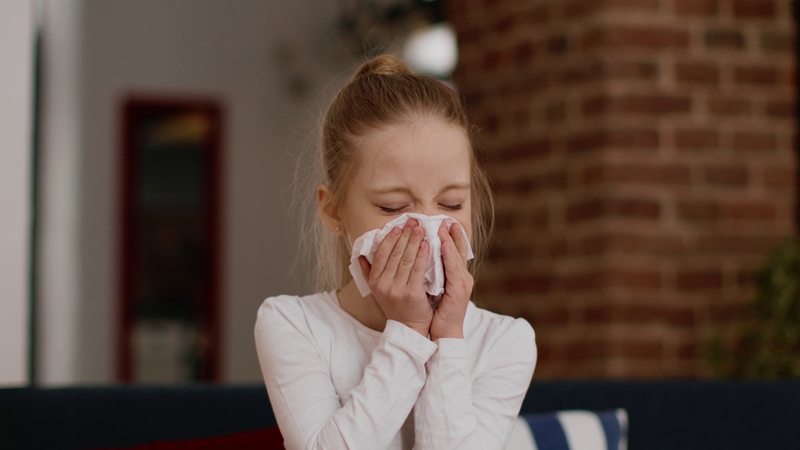
The most common childhood illnesses include the common cold, flu, ear infections, strep throat, sinus infections, respiratory infections, urinary tract infections, skin infections, bronchitis, and gastrointestinal viruses. Knowing the symptoms and proper care can help parents protect their child’s health and seek timely medical attention when needed.
At Just 4 Kids Pediatrics, we understand that childhood illnesses are a frequent concern for parents, especially for children younger than school age. From runny noses to high fevers, recognizing the signs early can prevent complications and keep your child healthy.
1. The Common Cold
The common cold is one of the most frequent illnesses in children. It is caused by viruses that affect the upper respiratory system.
Symptoms include:
Runny nose or nasal discharge
Sneezing
Mild cough or daytime cough
Sore throat
Low-grade fever
Treatment: Most colds resolve on their own. Encourage fluids, rest, and over-the-counter medicines like ibuprofen for discomfort or fever. Antibiotics are not effective against viruses.
2. Influenza (Flu)
The flu is more severe than a common cold and can lead to complications in children.
Symptoms include:
High fever
Body aches
Severe cough
Fatigue
Sore throat
Treatment: Antiviral medications may be prescribed in some cases, especially if diagnosed early. Supportive care includes rest, hydration, and monitoring for worsening symptoms.
3. Ear Infections
Ear infections often occur after a cold or upper respiratory infection and are especially common in toddlers and babies.
Symptoms include:
Ear pain or tugging at the ear
Fever
Irritability
Fluid drainage from the ear
Treatment: Some ear infections improve without antibiotics. Severe or bacterial infections may require prescribed antibiotics.
4. Strep Throat
Strep throat is a bacterial infection that can cause serious complications if untreated.
Symptoms include:
Sore throat
Fever
Red, swollen tonsils, sometimes with white patches
Pain when swallowing
Treatment: Diagnosis is confirmed with a rapid strep test or throat culture. Antibiotics are prescribed to treat the infection.
Video idea: Animated explanation of strep throat symptoms and treatment.
5. Sinus Infections
Sinus infections often follow colds or allergies.
Symptoms include:
Nasal congestion and discharge
Facial pain or pressure
Headache
Cough that worsens at night
Treatment: Mild cases often improve with supportive care, but bacterial infections may require antibiotics.
6. Bronchitis
Bronchitis is inflammation of the airways in the lungs.
Symptoms include:
Persistent cough
Mucus production
Mild fever
Fatigue
Treatment: Most cases are viral and improve without antibiotics. Keep your child hydrated and monitor breathing difficulties.
7. Skin Infections
Children are prone to bacterial or viral skin infections due to frequent contact with other kids and germs.
Symptoms include:
Red or swollen skin
Pus or crusting
Rash that spreads
Treatment: Mild infections may be treated at home, but bacterial infections may require prescribed antibiotics.
8. Urinary Tract Infections (UTIs)
UTIs are common, especially in girls, and can cause discomfort if not diagnosed early.
Symptoms include:
Painful urination
Frequent urination
Fever
Abdominal pain
Treatment: UTIs are treated with antibiotics. Early diagnosis can prevent kidney complications.
9. Gastrointestinal Viruses
Stomach viruses can lead to dehydration, especially in younger children.
Symptoms include:
Vomiting
Diarrhea
Fever
Abdominal cramps
Treatment: Ensure hydration with fluids and electrolytes. Seek a doctor’s advice if symptoms are severe.
10. Respiratory Syncytial Virus (RSV)
RSV is a viral infection that can affect the lungs and airways, particularly in babies and young toddlers.
Symptoms include:
Cough coughs
Wheezing
Difficulty breathing
High fever
Treatment: Supportive care is essential. Severe cases may require hospitalization to manage breathing difficulties.
Tips For Parents To Prevent And Manage Childhood Illnesses

Preventing and managing childhood illnesses starts with vigilance, routine care, and creating healthy habits at home. While it is impossible to eliminate exposure to germs, parents can take proactive steps to reduce the risk and severity of illnesses.
1. Practice Frequent Handwashing To Limit Exposure To Germs
Regular handwashing is one of the most effective ways to prevent the spread of viruses and bacteria. Encourage your child to:
Wash your child hands with soap and water for at least 20 seconds before meals, after using the restroom, and after playing outside
Use alcohol-based hand sanitizer when soap and water are not available
Avoid touching the face, eyes, nose, or mouth with unwashed hands
Teaching hand hygiene early helps children develop lifelong habits that protect them from common illnesses such as colds, flu, and gastrointestinal infections.
2. Ensure Your Child Receives Recommended Vaccines
Vaccinations are essential in protecting children from serious diseases. Parents should:
Follow the immunization schedule recommended by pediatricians and the Centers for Disease Control and Prevention
Stay up-to-date with yearly vaccines like the flu shot
Discuss with your doctor about any special vaccines needed for children with underlying conditions or those attending daycare or school
Vaccines not only protect your child but also reduce the risk of exposing family members and classmates to contagious illnesses.
3. Keep Sick Children Home From School Or Daycare
Children who are ill should stay home to recover and prevent spreading infection to others. Key considerations include:
Monitor for fever, vomiting, diarrhea, or persistent cough before sending your child to school
Encourage your child to rest and recover fully before returning to group settings
Communicate with teachers or daycare staff about your child’s illness to prevent outbreaks
Staying home helps the child recover faster and limits exposure of other children to contagious illnesses like strep throat, flu, or viral infections.
4. Encourage Proper Rest And Hydration
A strong immune system helps children fight off infections more effectively. Parents can support this by:
Ensuring age-appropriate sleep schedules, including naps for younger children
Providing plenty of fluids, including water, oral rehydration solutions, or broth during illness
Offering balanced meals with fruits, vegetables, and proteins to support immune function
Adequate rest and hydration reduce the severity of symptoms such as high fever, fatigue, and dehydration from gastrointestinal illnesses.
5. Monitor For Signs of Dehydration, High Fever, Or Worsening Symptoms
Early detection of serious symptoms is critical for timely medical care. Parents should watch for:
Signs of dehydration, including dry lips, decreased urination, or lethargy
Persistent or very high fever, especially in children younger than 2 years
Worsening cough, breathing difficulties, ear pain, or unusual rashes
Changes in alertness, activity levels, or appetite that may indicate a more serious infection
If any of these signs appear, contact your pediatrician promptly. Early evaluation can prevent complications and ensure appropriate treatment, whether it involves prescribed antibiotics, supportive care, or further testing.
Additional Tips
Keep commonly used surfaces clean, including toys, doorknobs, and countertops
Limit exposure to crowded or enclosed areas during peak illness seasons
Teach your child to cover their coughs and sneezes with a tissue or elbow
Maintain regular checkups with your pediatrician to monitor overall growth, development, and health
Frequently Asked Questions About Common Childhood Illnesses
Can common childhood illnesses affect adults in the household?
Yes. Many childhood illnesses, such as colds, flu, and certain skin infections, are contagious and can spread to parents, siblings, or caregivers through direct contact or shared surfaces. Practicing good hygiene and keeping sick children home helps reduce transmission.
How long do typical childhood illnesses last?
Most viral infections, such as the common cold or mild flu, last about 5 to 7 days. Ear infections or bacterial illnesses like strep throat may last longer but improve quickly with treatment. If symptoms persist or worsen beyond expected timelines, consult your pediatrician.
How do I know if my child needs antibiotics?
Antibiotics are only effective for bacterial infections, such as strep throat, certain ear infections, or urinary tract infections. They are not used for viral illnesses like the common cold or flu. Your pediatrician will diagnose and determine whether antibiotics are necessary.
Can my child catch the same illness more than once?
Yes. Some illnesses, like colds and flu, are caused by multiple strains of viruses. Children can develop symptoms again even after recovering from a previous infection. Vaccines and good hygiene help reduce repeat illnesses.
Conclusion
Most children will experience several common childhood illnesses in their early years. By understanding the symptoms, knowing when to seek care, and maintaining good health practices, parents can protect their child’s well-being and prevent complications. If your child is ill, consulting Just 4 Kids Pediatrics ensures an accurate diagnosis and effective treatment.