
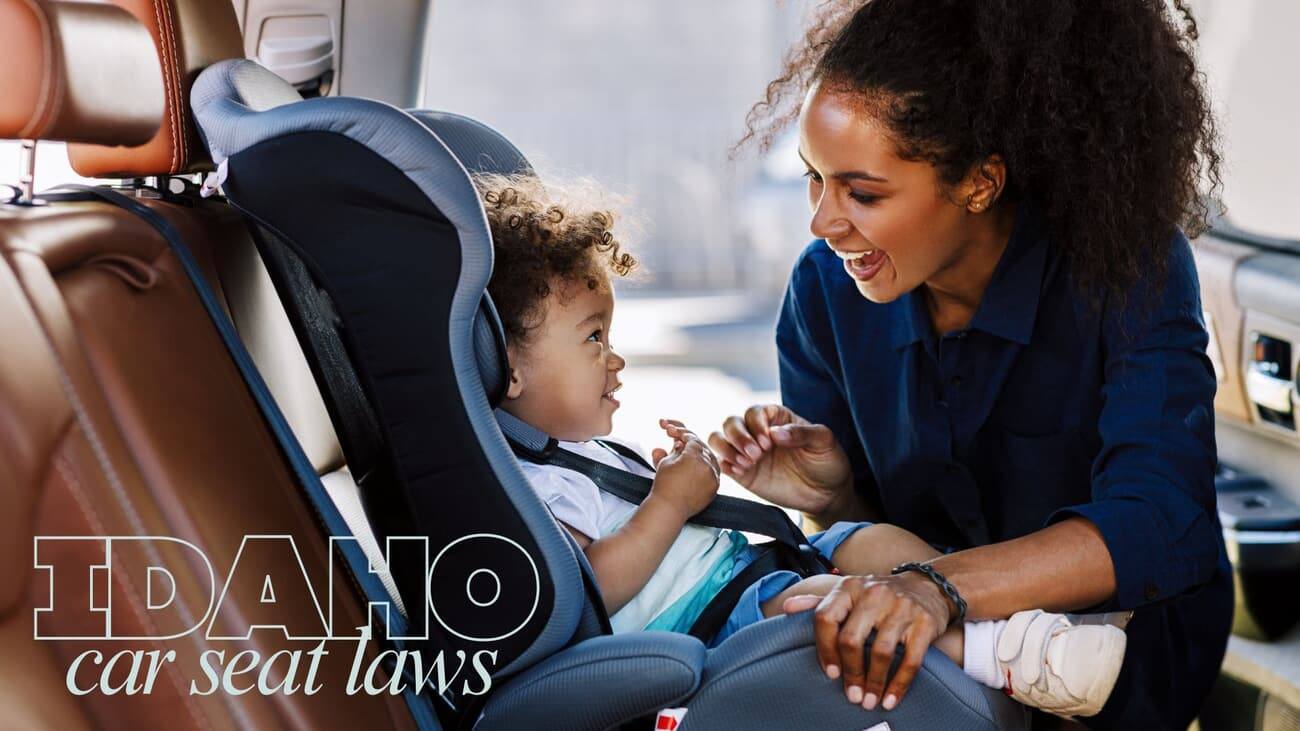
At Just 4 Kids Pediatrics, your child’s safety comes first. Many parents ask about Idaho car seat laws and how to make sure their children ride safely. Following these laws protects your child and helps you avoid car seat tickets and fines under Idaho state law.
To make things easier, we break down the key rules and practical tips into eight clear steps for child passenger safety. These steps apply whether your child uses a rear-facing car seat, a forward-facing car seat, or a booster seat.
1. Know Idaho’s Car Seat Laws
Idaho law requires every vehicle passenger to wear a seat belt. Children must use a proper safety restraint based on their age, height, and weight. Children under 7 years old must ride in a child safety restraint. This includes a rear-facing car seat, forward-facing car seat, or booster seat, depending on the child’s size.
For older children, Idaho car seat laws encourage the use of booster seats until they reach at least 4 feet, 9 inches in height and 40 pounds. Beyond this, children should always wear a properly fitted seat belt, with the lap belt laying across the upper thighs and the shoulder belt resting across the chest.
Following these laws is crucial for child passenger safety and reduces the risk of serious injury during a motor vehicle collision. For full details, you can reference the Idaho Transportation Department’s safety page and Idaho’s child restraint laws.
2. Start With The Right Car Seat For Your Child
Choosing the right car seat is the first step to car seat compliance. Car seat manufacturers provide guidance based on your child’s weight, height, and age.
- Rear facing car seats are recommended for infants and toddlers under 2 years or under 40 pounds. These seats provide optimal protection for the head, neck, and spine.
- Forward facing car seats are for children at least 2 years old or over 20 pounds, up to the maximum weight and height recommended by the manufacturer.
Booster seats are for children who have outgrown their forward facing seat but are not yet tall enough for a standard seat belt.
Always follow the child restraint basic recommendations from the manufacturer to ensure your child is properly secured.
3. Position Children In The Back Seat
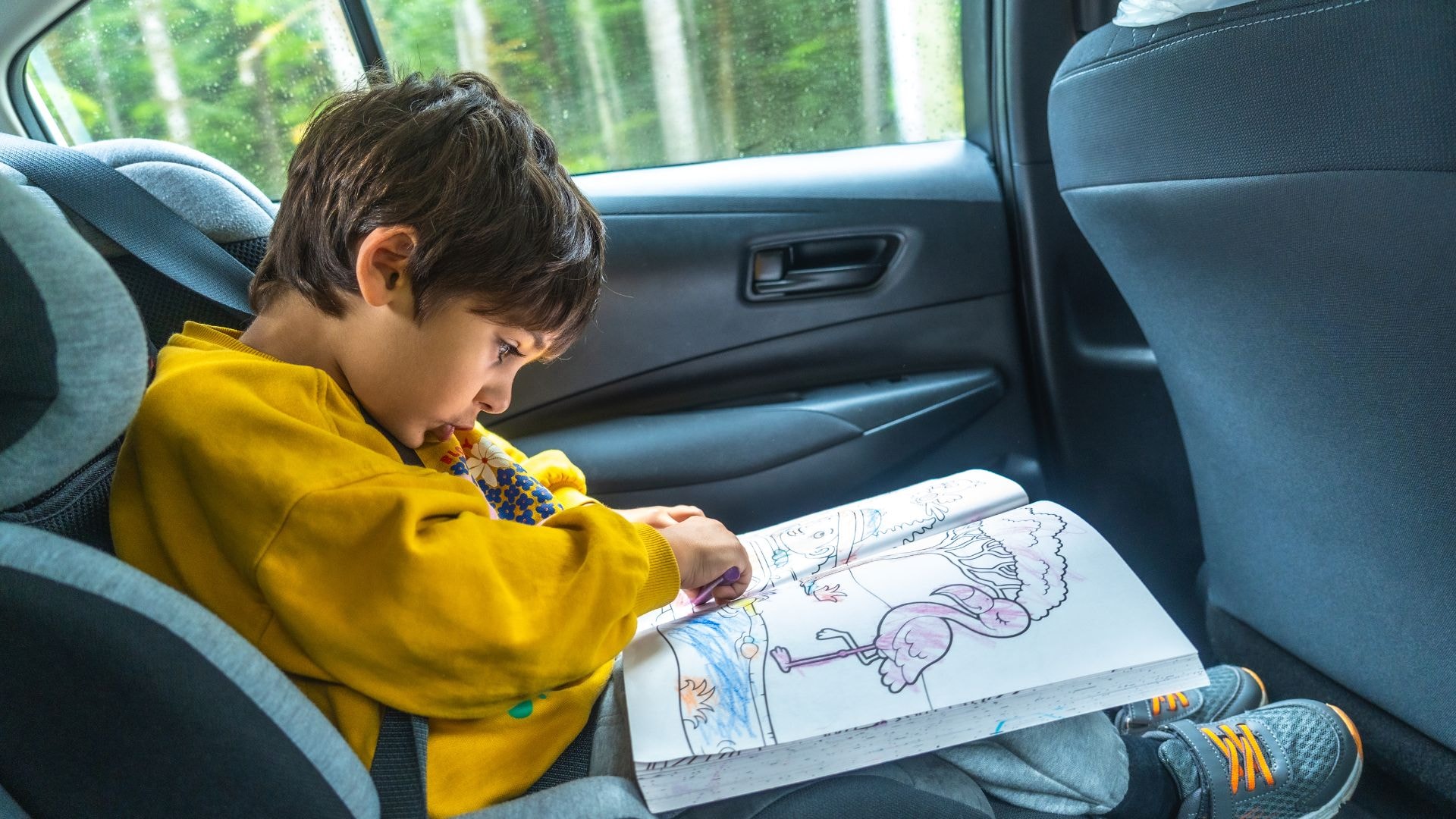
The back seat is the safest place for children under 13 years old. Front seats pose greater risk due to airbags and impact zones. Idaho law recommends that infants and young children always ride in the rear seat. Booster seats and forward facing seats are also safest when placed in the back seat.
Remember, using a rear facing car or forward facing seat in the back seat helps reduce the risk of injury in the event of a crash.
4. Understand Seat Belt And Booster Requirements
Idaho car seat laws specify that once a child outgrows a forward facing seat, they should use a booster seat with a lap belt and shoulder belt until they can sit properly in a seat belt alone. The lap belt lays across the upper thighs and the shoulder belt lies across the chest.
Children should not use a seat belt only if it rides too high across the stomach or neck. Using a booster seat depending on the child’s size ensures proper restraint. Booster seats help maintain the right seating positions until a child’s height and weight allow for safe use of a standard seat belt.
5. Secure Your Car Seat Properly
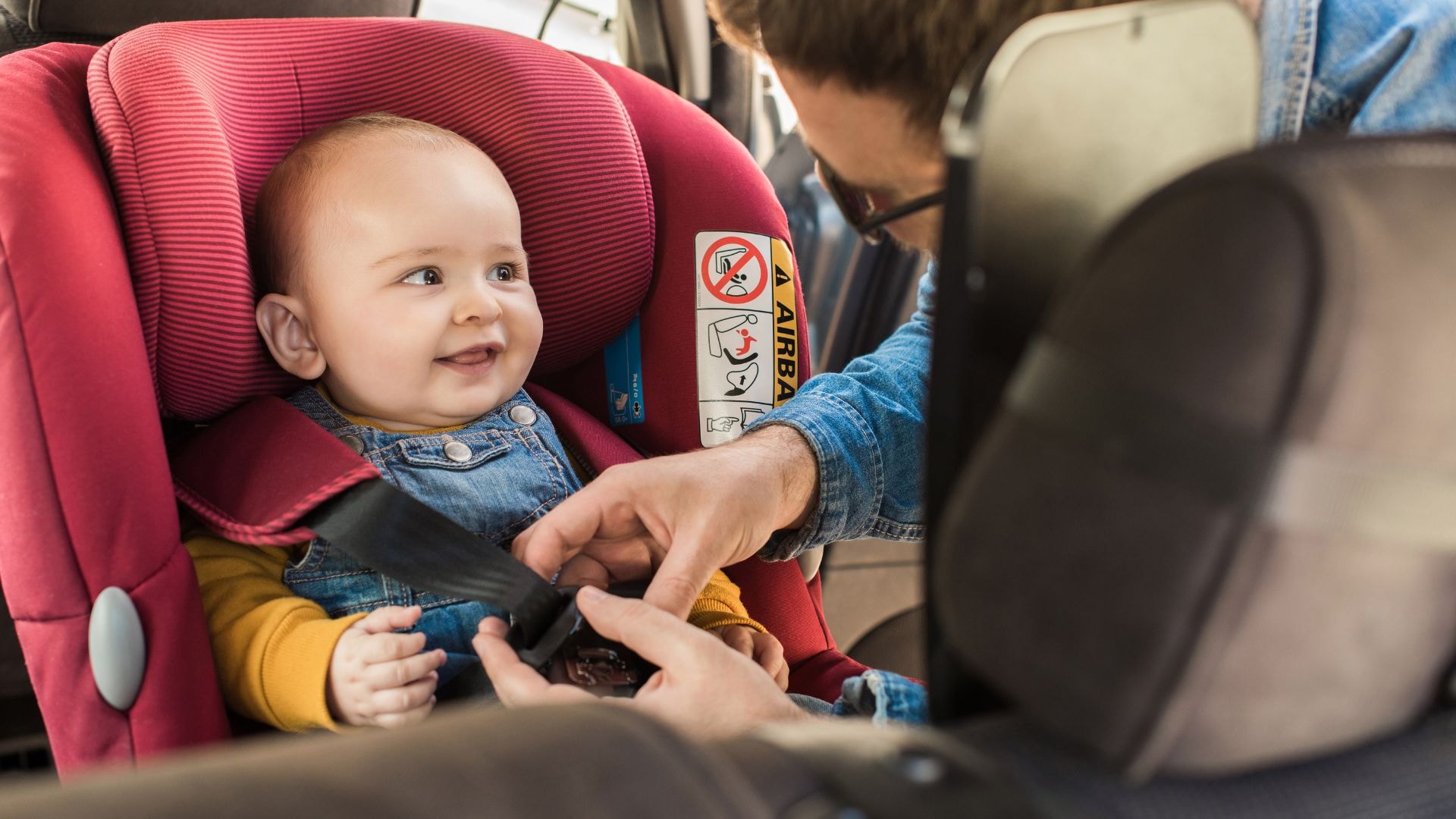
A car seat is only effective if it is properly secured. Always follow the child safety restraint instructions and make sure the seat does not move more than an inch side to side or front to back.
Use the top tether and LATCH system if your car and seat allow. For forward facing seats, the top tether adds extra stability and protection. Rear facing seats should recline at the correct angle to keep the child’s airway open and support the head and neck.
Check for recalls from the car seat manufacturer and replace any seats that are expired or damaged. Most car seats have an expiration date printed on the label.
6. Know Idaho’s Penalties And Enforcement
Failure to comply with Idaho car seat laws can result in a car seat ticket, fines, and court costs. Children under 7 who are not properly restrained can result in fines of approximately $84, and drivers may face additional fees depending on the jurisdiction. Older children who are not using a seat belt as required may also result in fines.
Some judges may waive fines if drivers obtain the proper child restraint system promptly. Following car seat laws ensures both passenger safety for children and avoids unnecessary legal consequences.
7. Utilize Professional Support
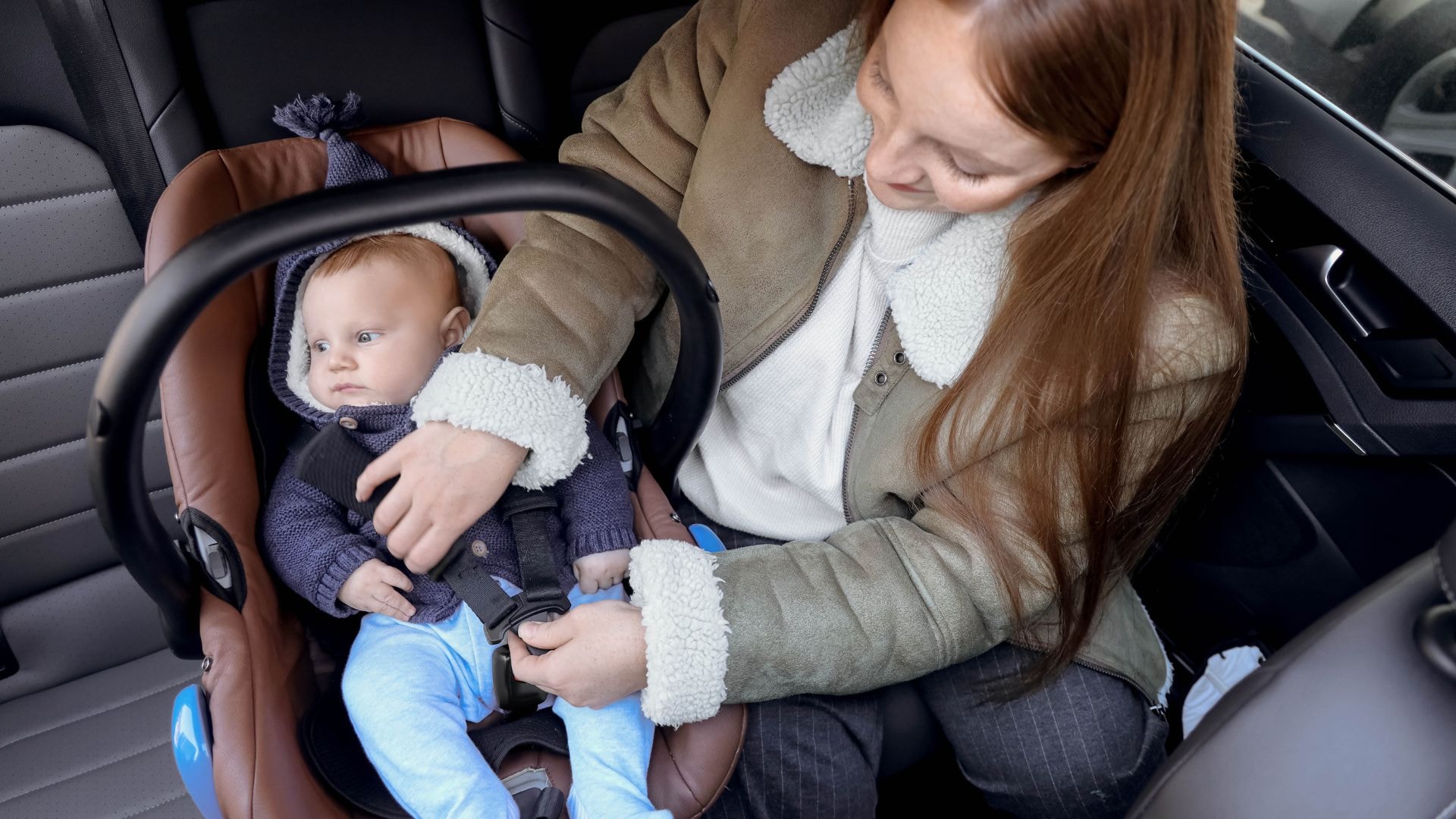
Parents are not alone when it comes to child passenger safety. Child passenger safety technicians are available to help families install car seats correctly and provide guidance. Many fire departments, police stations, and children’s hospitals offer car seat checks, and almost all fire departments can provide demonstrations and safety advice.
These professionals can teach proper seating positions, how to use harnesses and boosters, and how to check weight limits and upper height restrictions. Regularly consulting these experts ensures your child is properly restrained according to Idaho law and national safety standards.
8. Stay Informed And Maintain Highway Safety
Idaho car seat laws are updated periodically, so it is important for parents to stay informed. The Idaho Transportation Department, the National Safety Council, and local children’s hospitals offer reliable guidance and resources.
Tips for continued safety include:
- Reviewing your child’s child restraint system as they grow
- Ensuring proper restraint for every ride, even short trips
- Teaching older children to wear safety belts consistently
Supporting broader passenger safety habits in your family
By following Idaho’s car seat laws and using the right seats for your child’s age, height, and weight, you help protect your child during every ride on Idaho’s roads. These steps reinforce a culture of safety that benefits all vehicle passengers and ensures that children remain properly restrained until they can safely transition to seat belts alone.
At Just 4 Kids Pediatrics, we are committed to keeping your children safe on the road. If you have questions about the right car seat, booster seat, or seat belt laws, or want help ensuring your child is properly secured, we encourage you to contact our office. Our team is happy to provide guidance and connect you with child passenger safety technicians.