
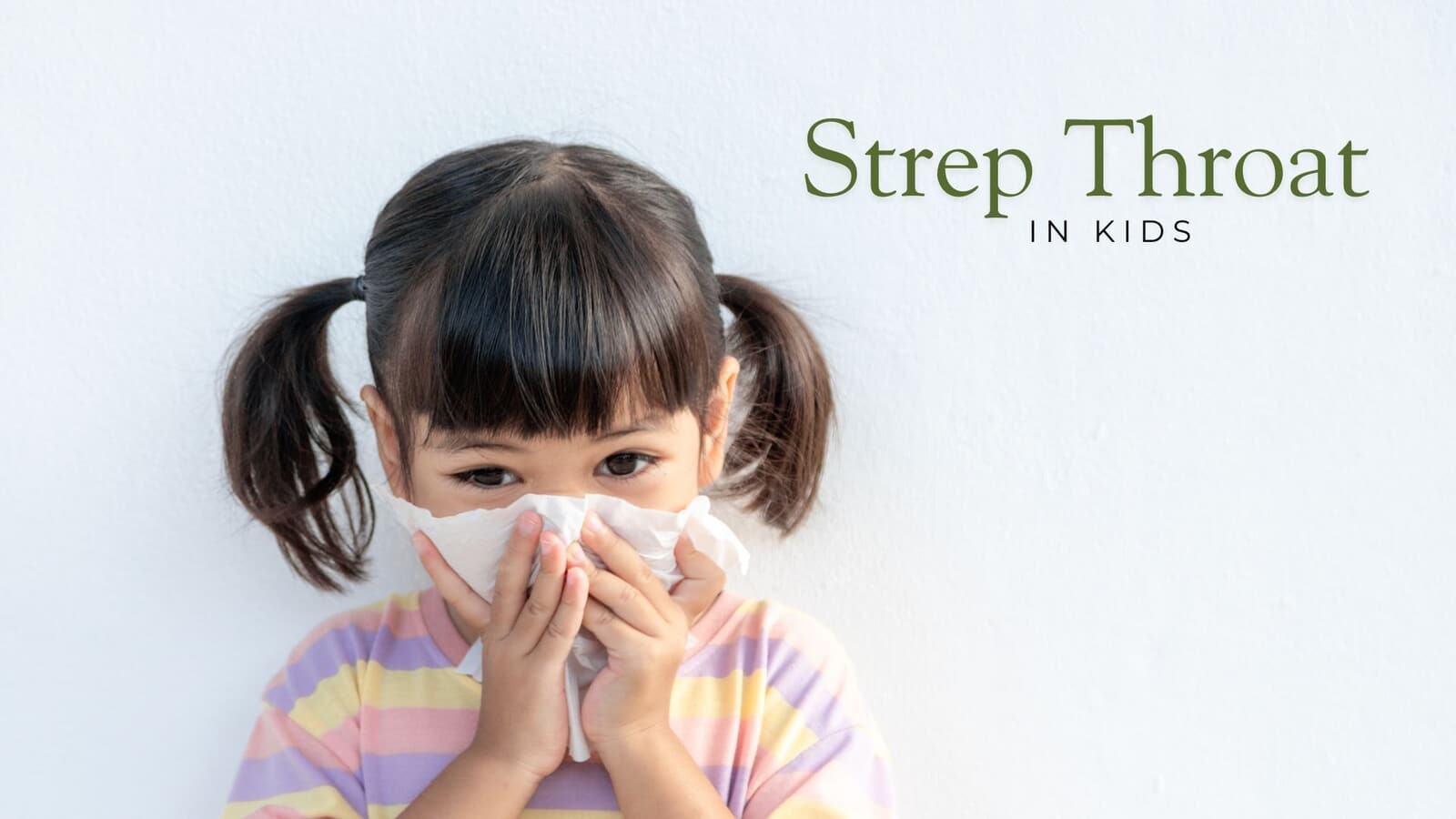
Strep Throat In Children: Symptoms, Diagnosis, And Treatment
Parents often notice when a child comes home from school with a sore throat, fever, or general discomfort. While most sore throats are caused by a viral infection and improve on their own, strep throat in children is a bacterial infection that requires prompt attention and proper care. Understanding how to recognize, diagnose, and treat strep throat can help families protect their child’s health and avoid serious complications.
Strep throat is caused by streptococcus pyogenes, also called group A streptococcus. When a child gets strep throat, the bacteria multiply in the throat and can cause significant throat pain, fever, and difficulty swallowing. It is important for parents and caregivers to know how to differentiate between a simple viral sore throat and a strep throat infection.
What Is Strep Throat?
Strep throat is a type of streptococcal infection of the throat and tonsils. It accounts for a significant portion of sore throats in school age children, especially in early spring and winter months. Because it is caused by bacteria, antibiotics can help treat strep throat and reduce the risk of complications.
Strep throat is contagious. It can spread when an infected person coughs, sneezes, or shares items like drinking glasses or eating utensils. The bacteria can also live in nasal secretions and spread through close contact.
Common Signs And Symptoms Of Strep Throat

Parents should be aware of the common signs of strep infection so that they know when to contact a health care provider. Symptoms can include:
- A sudden onset of sore throat and pain when swallowing
- Fever
- Red and swollen tonsils, sometimes with white patches
- Swollen lymph nodes in the neck
- Headache
- Stomach pain or nausea, especially in younger children
- Rash (sometimes associated with scarlet fever)
Fatigue
Not every child with a sore throat has strep throat. Not all sore throats are caused by strep bacteria. Viral infection symptoms such as a runny nose or cough are more common with viruses and may point away from strep. Still, when a child feels significant throat pain and has other symptoms, testing is important.
How Strep Throat Is Diagnosed

Because symptoms of strep throat can overlap with viral infections, health care providers use testing to confirm the diagnosis. A rapid strep test is often done in the clinic and can give results within minutes. If the rapid test is negative but suspicion remains high, a throat culture may be done to confirm the presence of streptococcal bacteria.
Prompt testing is an important step to determine whether a child’s symptoms are due to a bacterial infection that needs antibiotic treatment.
Why Treating Strep Throat Matters
Once strep throat is diagnosed, appropriate care and antibiotic treatment help the child feel better faster and lower the risk of strep throat complications. Without treatment, strep infections may lead to more serious conditions such as rheumatic fever, kidney inflammation, or very rarely, toxic shock syndrome.
Antibiotics used to treat strep throat work by eliminating the strep bacteria from the child’s system. Completing the entire course of prescribed antibiotics, even when symptoms improve, is important to fully clear the infection.
How Strep Throat Is Treated
The mainstay of care for strep throat in children is antibiotic treatment prescribed by a health care provider. Once treatment begins:
- The child usually feels better within 24 to 48 hours.
- The child is less contagious after about 24 hours of antibiotics.
Antibiotic treatment reduces the risk of complications like rheumatic fever.
In addition to antibiotics, parents can help their child feel more comfortable with these supportive measures:
- Encourage rest and quiet activities.
- Offer plenty of fluids to keep the throat moist.
- Use cool or warm liquids as tolerated to soothe throat pain.
- Avoid acidic or rough foods that may irritate the child’s throat.
- Use alcohol based hand sanitizer or regular handwashing to reduce spread.
How Strep Throat Spreads
Strep throat is spread through respiratory droplets. When an infected person coughs or sneezes, droplets containing streptococcal bacteria can enter the air or land on surfaces. Other children or adults can then pick up the bacteria by touching their mouth, nose, or eyes after contact with these droplets.
Because strep throat is strep throat contagious, prevention is important. Families can reduce transmission by:
- Encouraging frequent handwashing.
- Avoiding sharing cups, utensils, or toothbrushes.
- Covering coughs with a tissue or inside the elbow.
- Cleaning high touch surfaces in the home.
Who Gets Strep Throat?

While children of any age can get strep throat, it is more common in school age children. Younger children may get it less often, partly because they are still developing immune defenses. Adults can also become infected, especially when exposed to infected children.
Strep throat often appears in groups, with several kids in a family or classroom getting sick around the same time. This is one reason why early diagnosis and treatment are important.
When To See A Doctor
Parents should contact a health care provider if their child has:
- Painful or persistent sore throat
- Fever
- Difficulty swallowing
- Signs of dehydration
- Symptoms lasting more than a few days
Rash with fever (possible scarlet fever)
Prompt evaluation helps confirm whether the infection is due to strep bacteria or a viral infection. Viral sore throats are common and do not respond to antibiotics.
Preventing Strep And Promoting Health
Good hygiene is an important part of child’s health and helps prevent both viral infections and bacterial infections like strep. Simple health tips include:
- Frequent handwashing with soap and water.
- Using alcohol based hand sanitizer when soap and water are not available.
- Covering coughs and sneezes.
Keeping toys and commonly touched surfaces clean.
Educating children about these practices can help them stay healthier at school and at home.
Understanding Complications And When To Act
While most children recover quickly when strep throat is treated, untreated strep can lead to serious complications. These include:
- Rheumatic fever, a condition that can affect the heart
- Kidney inflammation
- Rarely, toxic shock syndrome
Other bacterial spread
Completing the full course of antibiotics and following your health care provider’s instructions help prevent these issues.
Helping Your Child Recover Safely
Strep throat in children is common, especially in school age kids, and requires proper care to ensure a safe and healthy recovery. Recognizing the symptoms of strep throat, seeking timely testing, and beginning treatment help protect your child and reduce the risk of spread to others.
Remember that not all sore throats are caused by strep, so a professional evaluation is important. With proper care, most children recover quickly and return to their normal activities.
If you have concerns about your child’s sore throat or think they may have a strep infection, reach out to Just 4 Kids Urgent Care. Our team is here to support your family, provide testing like a rapid strep test, and guide you through treatment options to help your child feel better.
Call Just 4 Kids Urgent Care at 208-522-4600 to schedule an appointment or speak with a care provider. Your child’s health and comfort are our top priority.