

At Just 4 Kids Mental Health, we know that caring for children means caring for their whole health, both physical and emotional. Many parents ask how to talk to kids about mental health, especially as concerns around anxiety, depression, and emotional wellbeing become more common among young people. Starting these conversations early and continuing them as children grow can help build trust, resilience, and a strong foundation for lifelong health.
Talking about mental health does not have to be overwhelming. With the right approach, parents and caregivers can create a safe space where children feel comfortable talking about their feelings, worries, and challenges.
Why Mental Health Conversations Matter
Mental health is just as important as physical health. A child’s mental health affects how they think, feel, behave, and connect with others. Many children experience emotional ups and downs as part of normal development, but some may face a mental health challenge that needs extra attention and support.
Open conversations can help reduce stigma around mental illness and mental health conditions, encourage children to ask for help when they need it, and help parents notice changes in mood, behavior, or school performance. When families talk openly, children learn that emotions are normal and that asking for help is a healthy first step.
Start Early And Keep It Age Appropriate

Talking about mental health looks different depending on a child’s age. Young children may not have the words to describe complex emotions, while teenagers may want more independence and privacy.
With younger kids, focus on simple ideas such as:
- Naming basic feelings like happy, sad, worried, or calm
- Explaining that feelings can change, just like the weather
Reassuring them that all emotions are okay
As children grow into adolescence and the teen years, conversations can become more detailed. Teenagers may ask about anxiety, depression, therapy, or stress related to school and peers. Being honest and age appropriate helps build trust and keeps the discussion going.
Create A Safe Space To Talk
One of the most important parts of how to talk to kids about mental health is creating an environment where they feel safe and heard. Choose moments that feel natural and low pressure, such as during a walk, at bedtime, or while driving together. These settings often make it easier for children to open up without feeling put on the spot.
Pay attention to body language, both yours and your child’s. Sitting at their level, maintaining a relaxed posture, and limiting distractions can help your child feel supported. Open ended questions like “How have things been feeling lately?” or “What has been on your mind?” can gently guide the conversation without pressure.
Listen More Than You Speak
When children share their thoughts or worries, listening is often more helpful than offering immediate solutions. Acknowledge your child’s feelings and let them know you hear them. Avoid minimizing their experiences or rushing to fix the problem. Even worries that seem small to adults can feel overwhelming to a young person.
Sometimes the most helpful thing a parent can say is simply that they are there and willing to listen. This builds trust and makes future conversations easier.
Normalize Emotions And Mental Health Challenges
Help kids understand that emotions are a normal part of life. Everyone experiences fear, worry, sadness, and stress at times. Talking briefly about your own mental health in an age appropriate way can help normalize these experiences. For example, you might share that you felt nervous before an important event and used deep breaths to calm your body.
Let children know that many people experience mental health challenges at some point. Experiencing symptoms does not mean something is wrong with them. It simply means they may need extra support, just like they would if they were sick or injured.
Teach Healthy Coping Skills
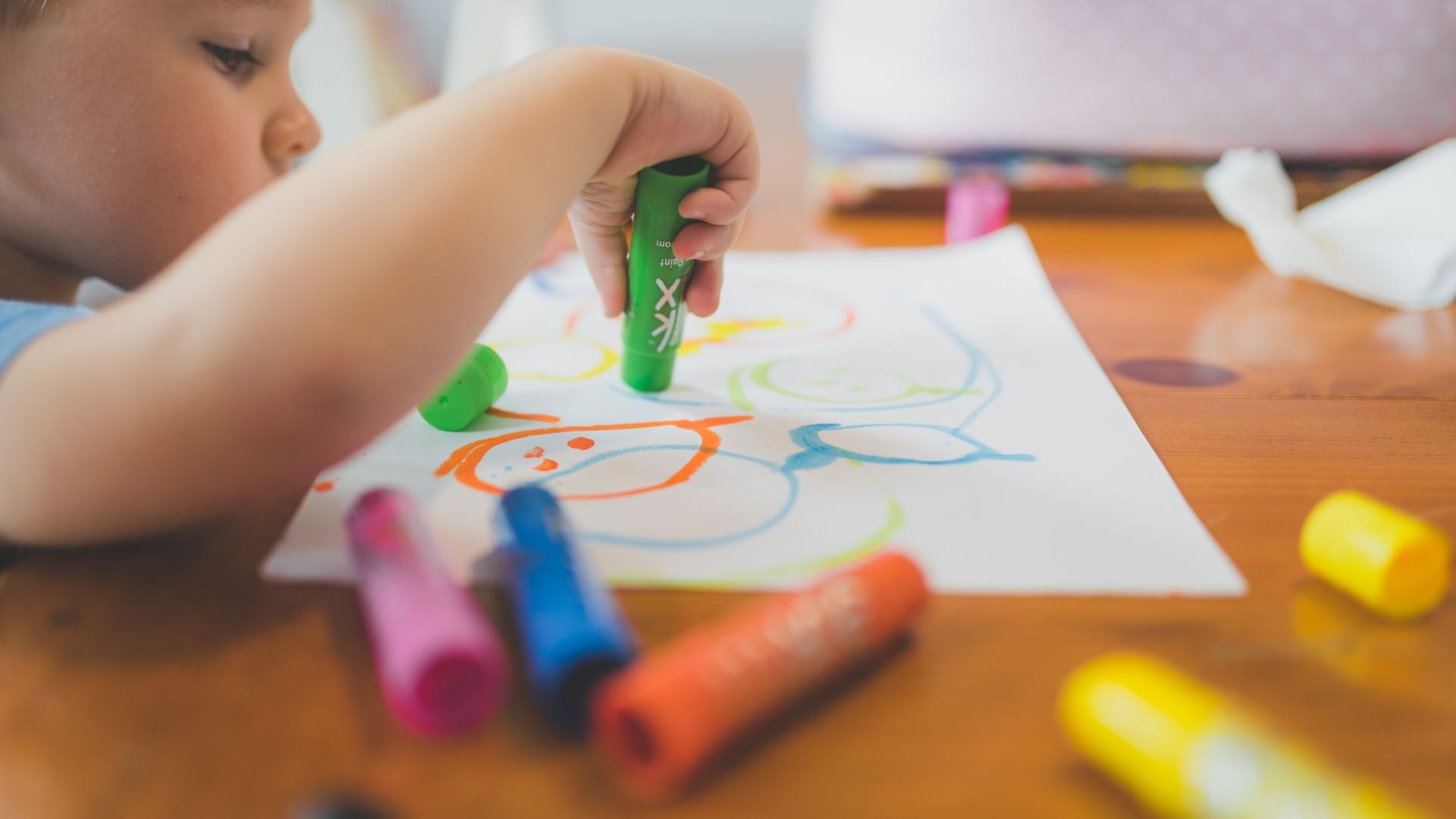
Helping children learn how to cope with emotions is an important part of supporting their mental health. Simple strategies can be effective and easy to practice at home.
Some helpful coping tools include:
- Taking deep breaths during moments of stress or worry
- Naming feelings out loud to make them feel less overwhelming
Using creative outlets like drawing, writing, or music
As children grow older, they may also benefit from learning ways to manage stress related to school, friendships, and social pressures. These skills can support emotional wellbeing now and into adulthood.
Know When To Seek Extra Support
Sometimes a child’s mental health concerns go beyond what families can manage on their own. Ongoing changes in mood, behavior, sleep, appetite, or school performance may be a sign that additional support is needed.
Reaching out for help can include:
- Talking with your pediatrician
- Connecting with a mental health professional or therapist
Exploring adolescent psychiatry services when appropriate
Seeking help is not a failure. It is a proactive step toward supporting your child’s health and future wellbeing. Parents should also pay attention to their own mental health, since caring for children can be stressful and emotionally demanding.
Partner With Your Child’s Care Team
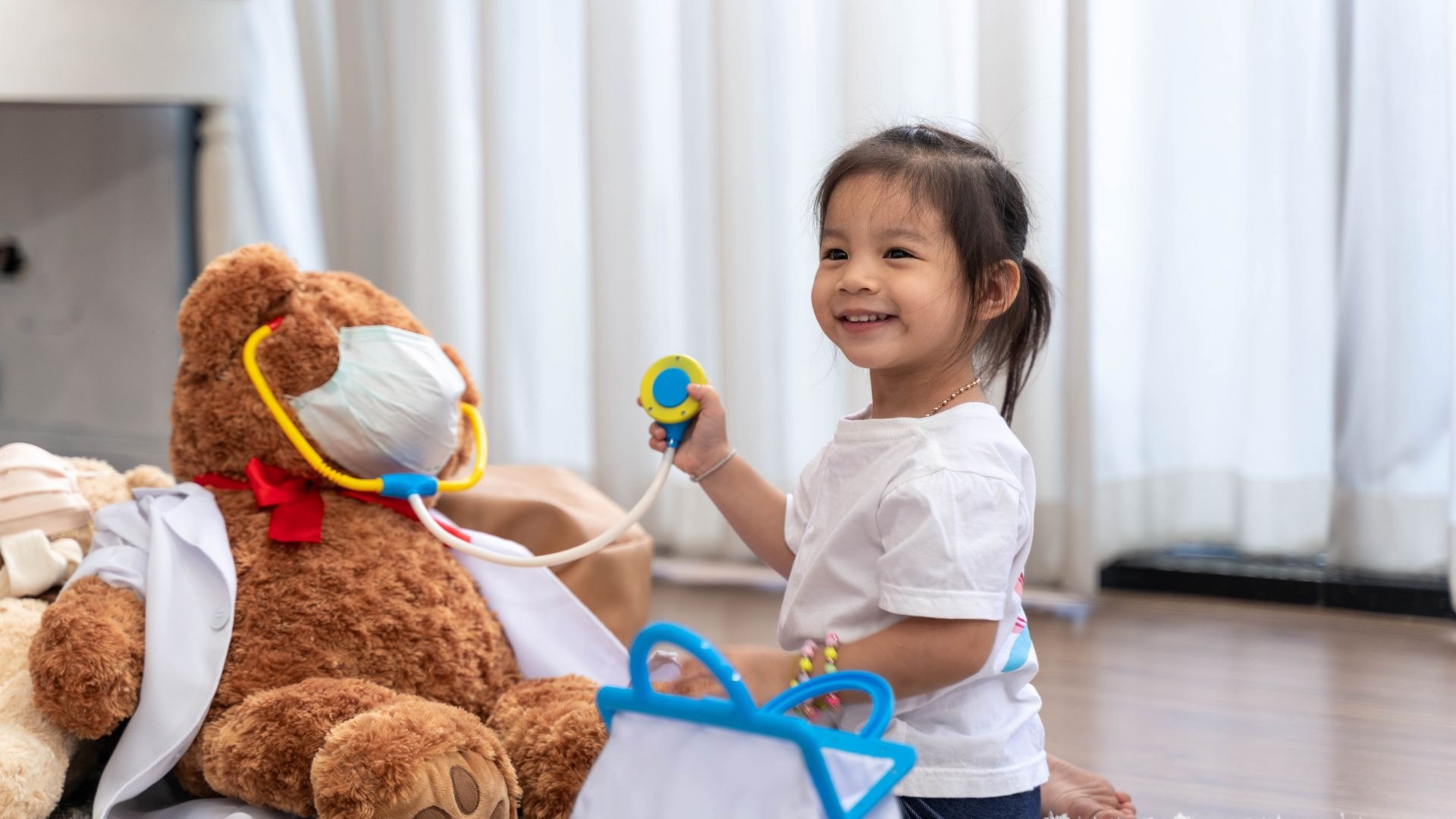
Your pediatrician is an important partner in your child’s mental health care. At Just 4 Kids Pediatrics, we work closely with families to monitor emotional wellbeing, address concerns, and connect families with trusted resources. If you ever have questions or worries, we encourage you to reach out and start the conversation.
Moving Forward Together
Learning how to talk to kids about mental health is an ongoing process, not a one time discussion. As children grow, their needs and emotions will change. Staying open, patient, and supportive helps build a strong foundation for lifelong emotional health.
By listening, encouraging honest conversation, and seeking help when needed, parents and caregivers can guide children through life’s challenges. These early discussions help young people develop self awareness, empathy, and the confidence to care for their mental health well into the future.
If you have concerns about your child’s mood, feelings, or behavior, know that support is available. Taking that first step can make a meaningful difference for your child and your family.
Here at Just 4 Kids Mental Health, we would love to help you and your family. Please call 208-522-4600 to schedule an appointment or speak with a member of our care team.