
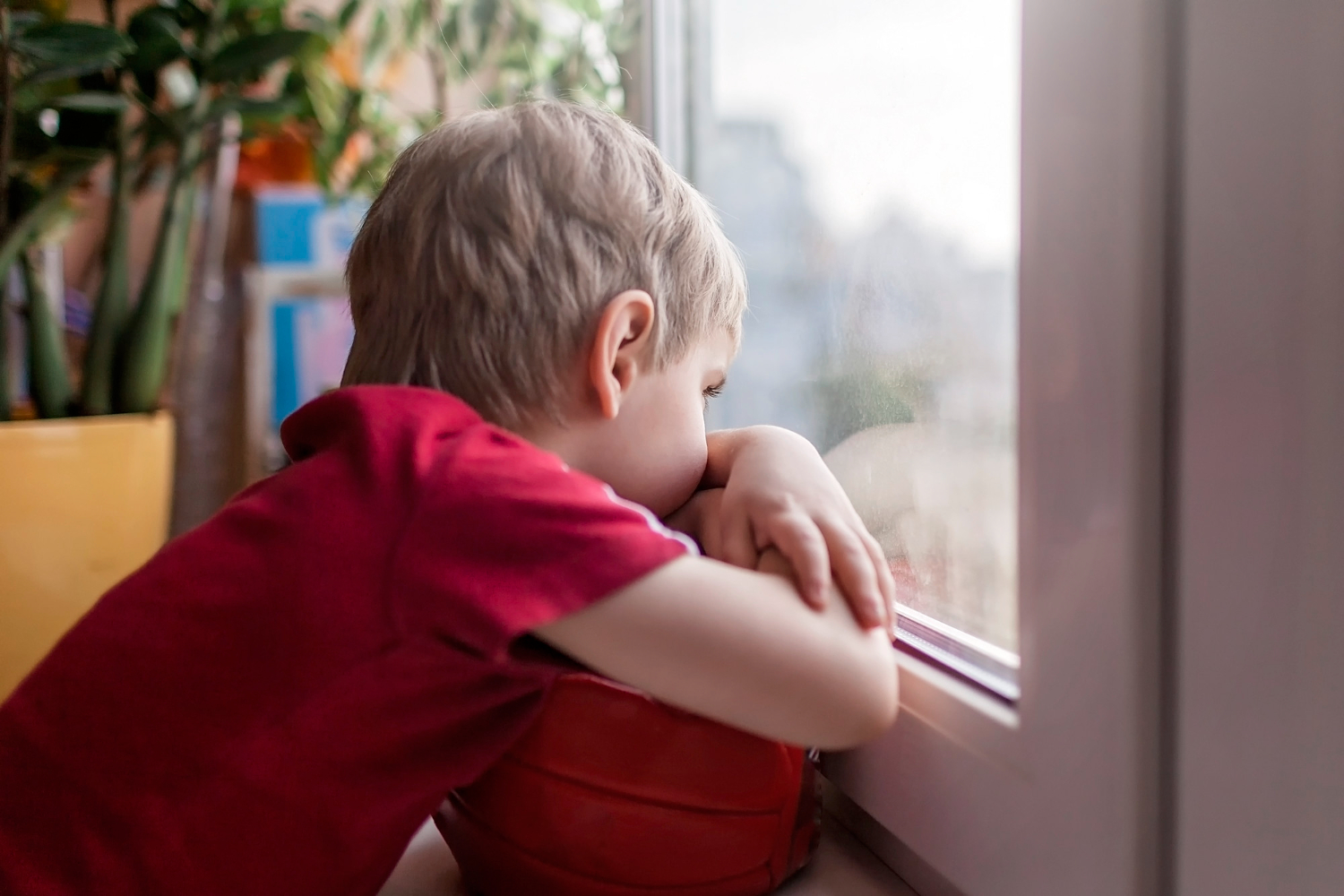
Occasional anxiety is a normal part of growing up for most kids. Children worry about school, friendships, or experiences from time to time, especially when things are new and unfamiliar. But for some kids, anxiety becomes increasingly intense and persistent, making everyday situations feel more and more overwhelming.
It can lead to constant worry about the future, struggles in social situations, panic, and more. Understanding the different types of anxiety disorders in children can help you identify the early signs and find the right support for your child.
Generalized Anxiety Disorder (GAD)
Generalized Anxiety Disorder (GAD) involves persistent and uncontrollable worry about a wide range of situations. Children with GAD feel anxious most days, even when there is no explicit reason for them to be worried.
GAD can cause children to worry excessively about many aspects of their lives. Even if there is no real threat or danger, these thoughts can cause significant distress. Common concerns for children with GAD include:
- Future events
- Past behaviors
- Social acceptance
- Family matters
- Perceived shortcomings
- Performance in school, sports, and other areas.
Children with GAD consistently struggle to relax, and they may regularly seek assurance from adults or others in their lives. Their anxiety can affect many parts of their lives, including their academic performance and overall well-being.
Phobias
Phobias are intense, irrational fears of objects, situations, or experiences. Children with phobias may go to great lengths to avoid the thing they fear, even if it poses little to no danger.
Common childhood phobias include:
- Animals and Insects: Some children develop intense fears of animals or insects. They may avoid places where they think they might encounter these creatures, and even pictures of them could elicit an anxiety response.
- Heights: A fear of heights can cause a child to avoid stairs, playground equipment, balconies, and similar areas.
- Medical Procedures: Needles, doctor’s visits, and dental visits can trigger an anxiety response in children with medical phobias.
When confronted with their fear, children with phobias might cry, freeze, cling to parents, or even refuse to engage with something they are supposed to do. Over time, these phobias limit a child’s interactions and experiences when not addressed.
Social Anxiety Disorder
Social Anxiety Disorder involves an immense fear of being judged, embarrassed, or negatively evaluated by others. Children with social anxiety feel extremely worried about what other people think about them, to the point where it hinders their actions.
A child with social anxiety, for example, might:
- Be afraid to raise their hand in class
- Avoid talking in front of other people
- Feel anxious about meeting new people
- Worry constantly about being embarrassed
- Avoid group activities or social gatherings
In school settings, this can make participation difficult. A child might know the answer to the question but feel too anxious to answer it. Some children might avoid eye contact, speak noticeably softly, or rely heavily on trusted friends or adults in social situations. Without support, a child’s social anxiety can affect their confidence, friendships, and willingness to try new things.
Separation Anxiety Disorder
Many young children feel upset when separated from their parents or their home, but when this fear becomes excessive and persistent, it is known as Separation Anxiety Disorder.
Children with this disorder experience intense distress when they are away from home or separated from their parents. In some cases, they worry that something bad will happen to them or their loved one if they are apart. They may refuse to sleep alone, take part in school, or engage in other daily activities.
Kids with separation anxiety might experience:
- Extreme distress when dropped off at school
- Frequent headaches or stomachaches before separation
- Difficulty sleeping without a parent nearby
- Constant worry about their parents’ safety
Selective Mutism
Selective mutism (SM) is an anxiety disorder where a child is not able to speak in certain situations, even if they are able to talk in others. Selective mutism is usually linked to intense social anxiety.
For example, a child might talk freely at home but stay silent when at school or around people they do not know. It is important to understand that this is not an act of defiance; it is an overwhelming anxiety that stops them from speaking. Common symptoms of selective mutism include:
- An inability to talk in specific situations
- Avoiding eye contact with others
- Feeling tense or frozen when expected to speak
- Avoiding certain environments, like social gatherings
- Having a blank or expressionless face in stressful situations
- Avoiding social interactions
Because communication is essential for learning and social development, selective mutism can significantly affect a child’s academic experience and relationships if not treated.
Local Anxiety Support
If your child is struggling with anxiety, you do not have to navigate it alone. Our mental health team at Just 4 Kids Health provides specialized anxiety support for children, teenagers, and their families.
We conduct behavioral evaluations, offer in-person and virtual therapy sessions, and teach coping skills for anxiety and various other mental health conditions. We know that anxiety and each distinct disorder can be complex, and we want to get to know your child better so we can collaborate with you on the best course of action for them.
Early support can make a meaningful difference in helping your child build coping skills and feel more comfortable facing everyday challenges. Contact us today at (208) 534-7881 so we can guide you and your child through your next steps.