
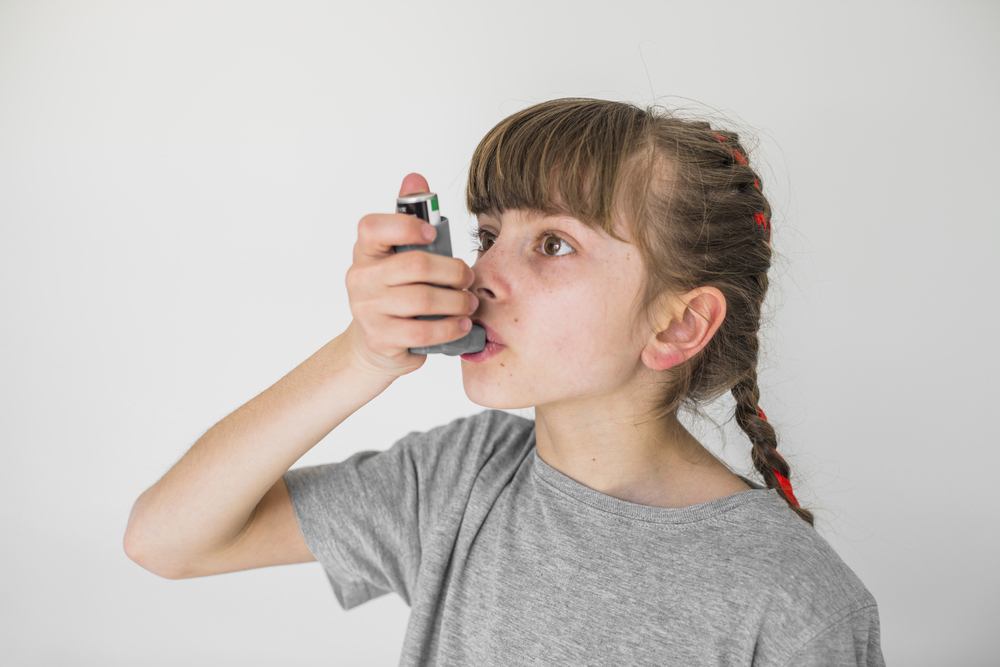
When your child has asthma, it can interfere with their everyday life. Check out the details of asthma symptoms and treatment options so you can help your child get back to feeling their best.
Childhood Asthma Treatment: How To Control Symptoms And Prevent Asthma Attacks
Childhood asthma treatment focuses on controlling symptoms, preventing asthma attacks, and helping children breathe comfortably so they can live active, healthy lives. With early diagnosis, the right asthma medications, and a personalized asthma action plan, most children with asthma can achieve strong asthma control and avoid severe complications.
Childhood Asthma Treatment Explained
Childhood asthma is a chronic lung disease that causes airway inflammation and narrowing in a child’s airways. This inflammation makes it harder for air to move in and out of the lungs, leading to symptoms such as wheezing, coughing, chest tightness, and shortness of breath. Symptoms may occur occasionally or become persistent, depending on the severity of asthma.
Effective asthma treatment focuses on:
- Relieving asthma symptoms quickly
- Reducing airway inflammation
- Preventing asthma flare-ups and severe asthma attacks
- Lowering the risk of emergency department visits
Supporting healthy lung development in growing children
When asthma is properly treated, most children can participate fully in school, sports, and everyday activities.
Common Asthma Symptoms In Children
Asthma symptoms can look different from one child to another and may change as a child grows.
Common childhood asthma symptoms include:
- Wheezing or whistling sounds when a child breathes.
- Trouble breathing or shortness of breath
- Chest tightness or chest pain
- Chronic cough, especially at night or during respiratory infections
Fatigue or difficulty keeping up with other children during play
Severe asthma attacks may include rapid breathing, visible effort to breathe, or difficulty speaking. These symptoms can be life-threatening and require immediate medical help.
What Triggers Asthma Attacks?
Asthma triggers are factors that worsen airway inflammation and increase the risk of asthma exacerbation.
Common asthma triggers include:
- Respiratory infections such as colds or lfu
- Allergic asthma triggers include pollen, dust mites, mold, or pet dander.
- Tobacco smoke exposure
- Cold air or weather changes
- Exercise without proper asthma control
- Gastroesophageal reflux disease
- Food allergies
Air pollution or strong odors
Children with a family history of asthma or allergic disease may be more likely to develop childhood asthma.
How Childhood Asthma Is Diagnosed
Diagnosing asthma starts with a careful review of your child’s symptoms, medical history, and physical exam. Your child’s healthcare provider will look at how often symptoms occur, what triggers them, and how they affect daily life.
For older children, lung function testing such as spirometry may be used to measure how well the child’s lungs are working. This testing is usually done in children five or six years old and older and helps confirm an asthma diagnosis and guide treatment decisions.
According to the Mayo Clinic, early diagnosis and appropriate asthma management can significantly reduce symptoms and prevent long-term complications.
Asthma Medications Used In Childhood Asthma Treatment
Asthma treatment typically includes a combination of quick relief medicine and long-term control medicines.
Quick Relief Medications
Quick relief medicines are used during asthma attacks to rapidly open the airways and relieve symptoms.
These often include:
- Short-acting bronchodilators
Metered dose inhalers or dry powder inhalers
Children with asthma should always have access to quick relief medicine, especially during sports, illness, or sudden symptom onset.
Long-Term Control Medicines
Long-term control medicines reduce airway inflammation and help prevent asthma attacks before they start.
These may include:
- Inhaled corticosteroids
- Combination inhaled medications
Oral corticosteroids for short-term use during severe asthma flare-ups
Most children with persistent asthma need daily inhaled medications to maintain asthma control.
How Just 4 Kids Pediatrics Helps Manage Your Child’s Asthma
At Just 4 Kids Pediatrics, childhood asthma care is personalized, proactive, and family-focused. Our goal is not just to treat asthma symptoms, but to help your child achieve long-term asthma control and a better quality of life.
We support children with asthma by:
- Providing a thorough asthma diagnosis and ongoing monitoring
- Offering in-office spirometry testing for eligible children
- Identifying asthma triggers and risk factors unique to your child
- Prescribing and adjusting asthma medication as your child grows
- Educating families on proper inhaler and spacer technique
- Creating a clear, customized child’s asthma action plan
Helping prevent uncontrolled asthma and emergency room visits
We work closely with parents to ensure they understand their child’s treatment plan and feel confident managing asthma at home, at school, and during activities.
When To Schedule An Asthma Evaluation
If your child has a chronic cough, wheezing, chest tightness, or trouble breathing, do not wait for symptoms to worsen. Early asthma treatment can prevent severe asthma attacks and protect your child’s lungs long term.
Contact Just 4 Kids Pediatrics today to schedule an asthma evaluation or discuss concerns about your child’s symptoms. Our experienced pediatric team is here to help your child breathe easier and stay healthy.