
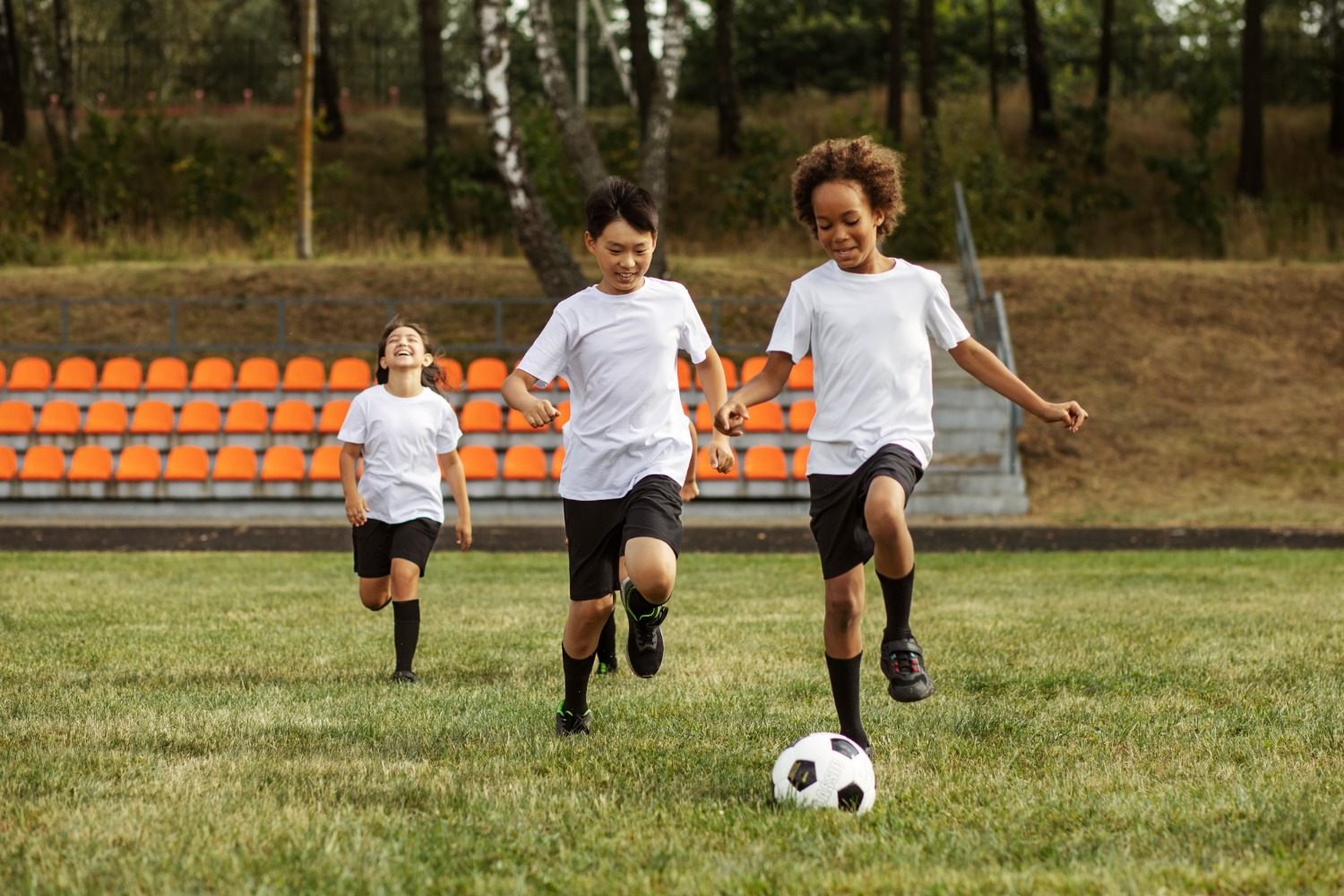
Every parent knows that sinking feeling when their child gets hurt. Sprains and strains can be nerve‑wracking, but they’re a common issue that kids tend to run into now and then—especially kids who are always on the go.
If your child suffers a sprain or strain, it’s important that they receive proper treatment at a pediatric urgent care facility. Treating a sprain or strain is essential in restoring the muscle’s or ligament’s motion and strength, as well as in avoiding long-term pain or re-injury. Even minor injuries deserve attention, and proper healing helps your child stay active in the future.
This guide explains sprains and strains, common causes, symptoms to look out for, and treatment options.
Sprains Explained
Sprains are a common injury among kids. This type of injury occurs when the ligaments around a joint are stretched or torn, typically affecting the ankles, wrists, and knees.
Because little ones are still growing, their joints and ligaments are looser and more susceptible to injury, so it’s no surprise that sprains can happen at young ages.
The following are common causes of sprains to be aware of as a parent:
- Sports injuries: Sprains happen frequently to kids who play sports because sudden, unpredictable movements can push a joint past its normal range. Sports like soccer, gymnastics, or basketball that involve running, pivoting, and changing directions suddenly increase the risk of a sprain.
- Sudden twisting or rolling: Sprains often occur when a joint suddenly twists or rolls. This can occur while your child is running, jumping, or climbing while playing.
- Overuse: Another common cause of sprains is overuse. When a child’s repetitive motion, whether it be from swimming or throwing a baseball regularly, creates stress around the ligament, it can cause damage and result in a sprain.
Strains Explained
Strains, or “pulled muscles,” are a different type of injury that happens when there is a tear in a muscle or tendon. These typically happen in the hamstrings, quadriceps, and calf muscles.
Similar to sprains, strains are also common in active kids, as it’s easy for them to push a movement too far or to take a sudden stretch that results in a strain.
Common causes of strains to watch out for are as follows:
- Sports injuries: Repetitive movements like running, throwing, or jumping can wear down growing tissues in children, making them weaker and more prone to injury.
- Sudden overstretching: Sudden overstretching often happens during regular play, whether your child is running around the yard or climbing on the playground, as a quick and unexpected movement can easily pull a muscle.
- Growth spurts: Strains can also show up in kids during rapid growth spurts. During a growth spurt, muscles and tendons are tight and more likely to overstretch and strain.
Symptoms of Sprains and Strains
Both sprains and strains can cause discomfort ranging from mild to severe and are often accompanied by unpleasant symptoms. Here are some symptoms to look out for if you think your child has suffered a sprain or strain:
- Pain: Kids may feel pain immediately, or it may gradually worsen, often becoming more intense with movement.
- Swelling: Swelling is common in both sprains and strains and is a key indicator that an injury has occurred.
- Bruising: When a sprain or strain is present, redness or dark, tender spots may appear around the injured site.
- Reduced mobility: If injured, your child may have difficulty walking or putting weight on the affected area.
Treatment Options
If your child is dealing with a sprain or strain, start by visiting your local pediatric urgent care. There, you can explain your child’s symptoms, and they can properly examine the injury and guide you through treatment options.
Treatment options may include exams, X-rays, following the R.I.C.E. method, and mobility aids and orthopedic devices.
Initial Exam
During your visit, your provider will perform a physical exam to diagnose your child’s injury. Tell your provider when you first noticed the symptoms, and they will grade the sprain or strain based on its severity.
X-Rays
Depending on the severity of the injury, X-rays may be needed. X-rays are used to determine whether a sprain or strain has led to a fracture, to ensure bones are aligned, and to guide treatment.
R.I.C.E.
The R.I.C.E. method is a common protocol for an injury. It follows these 4 steps: rest, ice, compression, and elevation. This method can reduce your child’s pain, swelling, and bruising while the injury heals.
Mobility Aids and Orthopedic Devices
If needed, your child may use a cast or crutches to help the injury heal. These supports simply give the injured area a little extra help for a comfortable and safe recovery for your child.
The Just 4 Kids Way
At Just 4 Kids Urgent Care, we offer treatment options for sprains and strains so your child can heal properly and return to playing safely. We want every urgent care visit to be as stress-free as possible for both parents and their kids.
Our child-friendly centers are designed to help kids feel comfortable, and we are committed to providing tailored care, short wait times, and flexible hours for families. We also offer a variety of insurance options to keep care accessible for every family we serve.
Reach out Today
Our team of pediatric providers is here to provide you with consistent and comprehensive care. We want to help your little one feel better in their time of need.
Reach out today for more information about our pediatric urgent care services.