
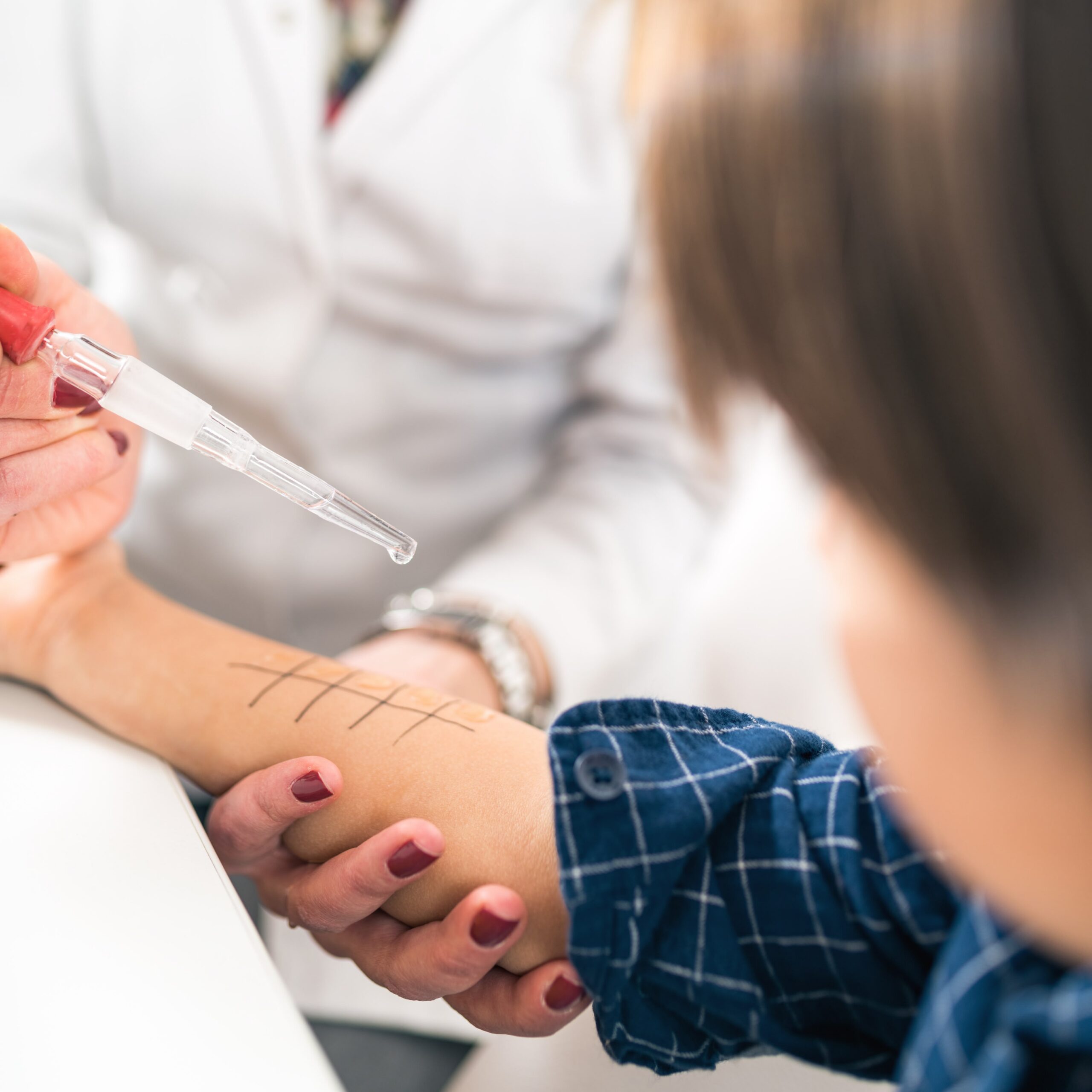
If your child has frequent or severe reactions to foods, pets, pollen, or other triggers, allergy testing may be the right next step. Testing is typically recommended when symptoms are recurring, affecting daily life, or not responding to standard treatments. A board-certified pediatrician can help you decide whether skin testing, blood testing, or continued monitoring is the best path forward.
Allergies affect roughly 1 in 5 children in the United States. Yet many parents aren’t sure when a runny nose is just a cold and when it’s something more. Knowing the difference can save your child years of discomfort and unnecessary guesswork.
This guide covers 7 key signs your child may benefit from allergy testing. It also explains what the testing process looks like and how Idaho Falls Pediatrics can help your family find answers.
1. Symptoms That Keep Coming Back
One cold per season is normal. But if your child’s runny nose, itchy eyes, or sneezing returns again and again, that pattern matters.
Allergic reactions tend to be:
- Predictable and seasonal (worse in spring or fall)
- Triggered by specific environments (outside, near animals, or in certain homes)
- Present even when no viral illness is going around
If your child’s “cold” keeps coming back at the same time each year, that’s a strong signal. Seasonal allergic rhinitis is very common in school-age children. It deserves a proper evaluation.
2. Symptoms That Are Affecting Daily Life
Allergy symptoms don’t just cause sneezing. They can interfere with school, sleep, sports, and overall quality of life.
Watch for signs like:
- Difficulty sleeping due to nasal congestion
- Daytime fatigue or trouble concentrating in school
- Frequent mouth breathing or snoring
- Avoiding outdoor activities because of symptoms
When allergies are disrupting your child’s routine, testing helps identify the specific triggers. Once you know the cause, your child’s care team can build a targeted treatment plan.
3. Skin Reactions After Eating Certain Foods
Food allergies are among the most common allergic conditions in children. The American Academy of Pediatrics estimates that food allergies affect about 8% of U.S. children.
Symptoms of a possible food allergy include:
- Hives or rash after eating specific foods
- Swelling of the lips, tongue, or throat
- Stomach pain, vomiting, or diarrhea following meals
- Tingling or itching inside the mouth
Common food allergens in children include peanuts, tree nuts, milk, eggs, wheat, soy, fish, and shellfish. If you notice a consistent reaction after eating certain foods, allergy testing can confirm the specific trigger.
Do not wait for a severe reaction before seeking guidance. Early identification reduces risk.
4. Asthma That Is Difficult to Control
Asthma and allergies are closely connected. Many children with asthma also have allergic triggers. In fact, allergic asthma is the most common form of the condition in children.
If your child’s asthma:
- Flares up during certain seasons
- Gets worse around pets or in dusty spaces
- Responds poorly to standard medications
Then identifying the allergic trigger could be the key to better control. Allergy testing can reveal exactly what’s driving your child’s breathing difficulties.
Schedule a visit with Just 4 Kids Pediatrics if your child’s asthma symptoms seem tied to specific environments or seasons.
5. Reactions to Insect Stings or Environmental Triggers
Some children have strong reactions to bee stings, mosquito bites, or other insect encounters. Others react to environmental triggers like mold, dust mites, or animal dander.
Signs that testing may be warranted include:
- Swelling well beyond the sting or bite site
- Hives or difficulty breathing after an insect sting
- Year-round nasal or eye symptoms at home
- Symptoms that worsen near specific animals or in damp environments
Insect venom allergies can be serious. A child with a history of severe sting reactions should be evaluated promptly. The pediatrician may refer your family to a pediatric allergist for further testing and possible immunotherapy.
6. Eczema That Doesn’t Respond to Treatment
Eczema, also called atopic dermatitis, often goes hand-in-hand with allergies. In many children, specific allergens trigger or worsen eczema flares.
Consider allergy testing if your child has:
- Persistent eczema that doesn’t improve with standard moisturizers or topical treatments
- Skin flares after eating certain foods or during specific seasons
- Eczema that has been present since infancy and is worsening with age
According to the National Eczema Association, food allergies are found in up to 30% of children with moderate to severe atopic dermatitis. Identifying the trigger can significantly improve outcomes.
7. A Family History of Allergies or Atopic Conditions
Allergies run in families. If one or both parents have allergies, asthma, or eczema, the child has a higher likelihood of developing similar conditions.
This doesn’t mean testing is automatic. But it does mean your pediatrician should monitor closely for early signs. If symptoms emerge, the family history gives important context that can speed up diagnosis and treatment.
During your child’s well-child visit at Just 4 Kids Pediatrics, share any relevant family history. This helps your provider make more informed recommendations.
What Does Allergy Testing Involve?

If your child’s pediatrician recommends allergy testing, there are two main methods.
Skin Prick Testing
Skin prick testing is the most common approach. A small amount of allergen is applied to the skin using a tiny lancet. If the skin reacts with a raised bump (wheal), the test is positive for that allergen.
Skin testing is fast, relatively painless, and can test for many allergens at once. Results are typically available within 20 minutes.
Blood Testing (Specific IgE)
Blood tests measure the immune system’s response to specific allergens by checking for immunoglobulin E (IgE) antibodies. This option is often used when:
- Skin conditions like eczema make skin testing difficult
- The child is taking medications that interfere with skin testing
- The child is very young or has extreme anxiety about skin testing
Both methods are safe and accurate. Your child’s provider will recommend the most appropriate option based on age, symptoms, and medical history.
When Should Allergy Testing Start?
There is no universal age requirement for allergy testing. Testing can be done at any age, including infancy, when symptoms are severe enough or risk is high enough to warrant it.
That said, most providers prefer to evaluate a child’s full symptom history first. Testing before age 2 is sometimes done for suspected food allergies, especially when there has been a significant reaction. For environmental allergies, testing is often more reliable and actionable in children over age 3 or 4.
The right timing depends on your child’s unique situation. Your pediatrician is the best person to help you decide.
How Just 4 Kids Pediatrics Can Help
Just 4 Kids Pediatrics provides comprehensive pediatric care for children throughout Southeastern Idaho. The clinical team evaluates allergy-related symptoms as part of routine care and coordinates referrals to pediatric allergists when needed.
If you’re noticing any of the signs listed above, don’t wait to bring them up at your child’s next visit. The earlier allergies are identified, the sooner your child can get relief.
Visit our services page to learn more, or contact Just 4 Kids Pediatrics to schedule an appointment.
Frequently Asked Questions
Can a child outgrow allergies?
Yes, some children do outgrow certain allergies, particularly milk, egg, wheat, and soy allergies. Peanut, tree nut, fish, and shellfish allergies tend to be more persistent. Environmental allergies can also change over time. A pediatrician or allergist can track your child’s progress and adjust their care plan accordingly.
Is allergy testing painful for children?
Skin prick testing causes minimal discomfort. Most children describe it as a light scratching sensation. There may be brief itching at the test sites. Blood testing involves a standard blood draw, which some children find more stressful. Providers are experienced in making the process as comfortable as possible.
What is the difference between a food intolerance and a food allergy?
A food allergy involves an immune system response. It can cause serious or life-threatening reactions. A food intolerance is a digestive issue and is generally not life-threatening. Common symptoms of food intolerance include bloating, gas, and stomach discomfort. Only allergy testing can confirm whether a reaction is immune-mediated.
Should I stop antihistamines before my child’s allergy test?
Yes, in most cases. Antihistamines can interfere with skin prick test results. Your provider will give you specific instructions on which medications to pause and for how long. Never stop prescription medications without guidance from your child’s doctor.
How long does allergy testing take?
Skin prick testing usually takes about 30 to 60 minutes from start to finish, including the 15 to 20 minute waiting period for results to appear. Blood testing requires only a brief blood draw, but results may take several days to come back from the lab.
Can allergy testing be done at the pediatrician’s office?
Initial allergy evaluation and some testing can be performed in a pediatric primary care setting. For more comprehensive testing or treatment such as allergy shots (immunotherapy), your pediatrician may refer your child to a board-certified pediatric allergist.
What happens after a positive allergy test?
A positive test result is the starting point, not the finish line. Your child’s provider will review the results with you, explain what they mean, and recommend next steps. This may include dietary changes, medications, environmental modifications, or referral for immunotherapy.
Disclaimer: This article is for informational purposes only and does not constitute medical advice. It is not a substitute for professional medical evaluation, diagnosis, or treatment. Always consult a licensed and board-certified healthcare provider regarding your child’s specific symptoms and health needs. If your child is experiencing a severe allergic reaction, call 911 or go to the nearest emergency room immediately.