
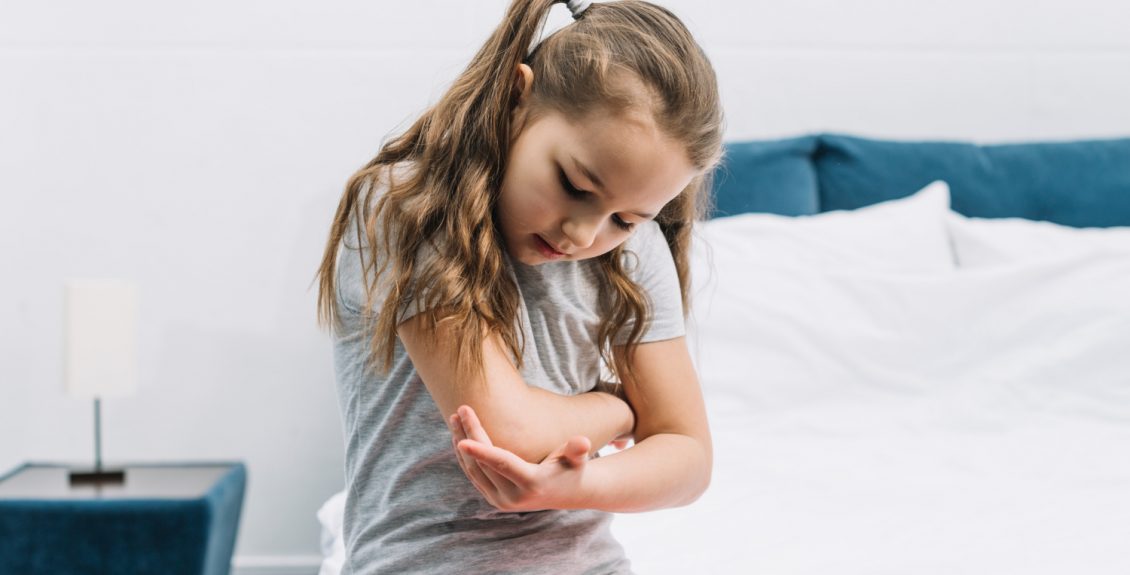
Allergic reactions can be a frightening experience for children and parents alike. Whether your child has had reactions in the past or is experiencing one for the first time, they may feel scared or confused. Symptoms can be uncomfortable, painful, and even life-threatening in serious cases.
It is important for parents to remain calm and take immediate action, especially in cases of severe allergic reactions. Because symptoms can come on and worsen rapidly, acting quickly is crucial and will help children find faster relief.
What is an Allergic Reaction?
Allergic reactions occur when the immune system responds to something normally harmless in the environment, such as pollen, proteins, or dust mites. When a person comes into contact with a substance they are allergic to, which is known as an allergen, a reaction in their body can result.
This reaction can take on many forms, including itching, swelling, breathing problems, and even life-threatening emergencies. Allergens may come into contact with a person’s eyes, nose, skin, lungs, stomach, or bowel, and this can happen through swallowing, inhaling, or touching.
In some cases, cross-contact can trigger a reaction. For example, a person who is highly allergic to peanuts may experience a reaction from merely touching a surface with peanut residue as opposed to directly eating peanuts.
Allergy Triggers
Though allergies can be scary, they are very common in children and can develop early on. Knowing the most common allergy triggers and their symptoms can help parents notice a reaction more quickly and assist providers in identifying what caused it.
Environmental triggers
Seasonal allergies can be triggered by pollen, especially during the spring. Other reactions can occur due to pet dander or dust.
Common symptoms that can result from an environmental allergy include:
- Itchy eyes, nose, mouth, or skin
- Runny, stuffy nose
- Sneezing
- Tiredness
- Watery, swollen, or red eyes
Food allergies
Nuts, shellfish, dairy, and eggs are some of the most frequently occurring food allergies. Always make sure to keep a close eye when your child tries something for the first time.
Common symptoms of a food allergy are as follows:
- Anaphylaxis (a severe allergic reaction)
- Hives
- Itchy, teary eyes
- Sneezing
- Stomach cramps, diarrhea, or vomiting
- Stuffy nose
- Swelling of the face, lips, tongue, or throat
- Tingling in the mouth
Insect stings/bites
Bee stings, wasp stings, and insect bites can also cause allergic reactions. Although this type is not as common, severe reactions can occur.
Symptoms of an insect allergy:
- Anaphylaxis
- Chest tightness
- Coughing
- Flushing
- Hives
- Itching
- Pain and swelling at the sting site
- Shortness of breath
- Skin warmth
- Wheezing
Medications
Certain medications can cause reactions as well, such as medicines with penicillin and early vaccines. Consulting your doctor about past medication allergies in the family can help prevent this from happening.
Potential symptoms of a medication allergy can include:
- Anaphylaxis
- A rash
- Diarrhea
- Dizziness
- Facial swelling
- Itchy skin
- Shortness of breath
- Vomiting
- Wheezing
Severity of Allergic Reactions
Mild, moderate, and severe allergic reactions can occur, and it is important to understand the difference to determine the urgency of treatment. While some reactions can disappear after basic treatment, others escalate rapidly.
Mild to moderate reactions will include one or more of these symptoms:
- A tingling sensation in or around the mouth
- Facial swelling
- Hives, welts, or wheals
- Stomach problems
Severe allergic reactions, on the other hand, affect breathing and circulation. When a person has a severe allergic reaction, mild to moderate symptoms may or may not be present, as well as one or more of the following symptoms:
- Anaphylaxis
- Collpasing
- Diarrhea
- Difficulty speaking
- Growing pale
- Persistent coughing
- Persistent dizziness
- Stomach pain
- Swelling of the tongue or throat
- Tightness in the throat
- Wheezing
- Vomiting
If your child exhibits one or more severe symptoms, seek immediate medical attention.
Allergy Prevention and Testing
While your child’s first reaction may come as a surprise, learning about their allergies can help prevent or better prepare for future reactions. Avoiding environmental allergens when possible is a great place to start, as well as keeping medications or an Epi-Pen on hand.
It is also wise to have your child tested, as it can be challenging to pinpoint the cause of a reaction. Allergy testing helps to identify allergens, allowing you to stop your child from coming into contact with them in the future. Various testing options are available, including skin prick tests, intradermal skin tests, patch tests, blood tests, and oral challenge tests.
Just 4 Kids Treatment Options
We are here to help treat allergic reactions of all kinds and severity levels. In the case of mild reactions, we use antihistamines to relieve itching, rashes, and other common symptoms and have pill and injection options available. For severe reactions, we use epinephrine to relax your child’s airways and prevent anaphylaxis.
We strive to create a comfortable, kid-friendly environment that allows your kids to return to their best selves in a safe and supportive space. We use distraction techniques and toys whenever possible to calm nerves and help your kids feel at ease as we treat their symptoms.
Local Urgent Care Services
If your child is experiencing symptoms of an allergic reaction, visit an urgent care center near you immediately. Our team will conduct quick evaluations and work to provide fast relief.
For more information on allergic reactions or for help with symptom concerns, please contact us today so we can help your child get back to feeling their best.